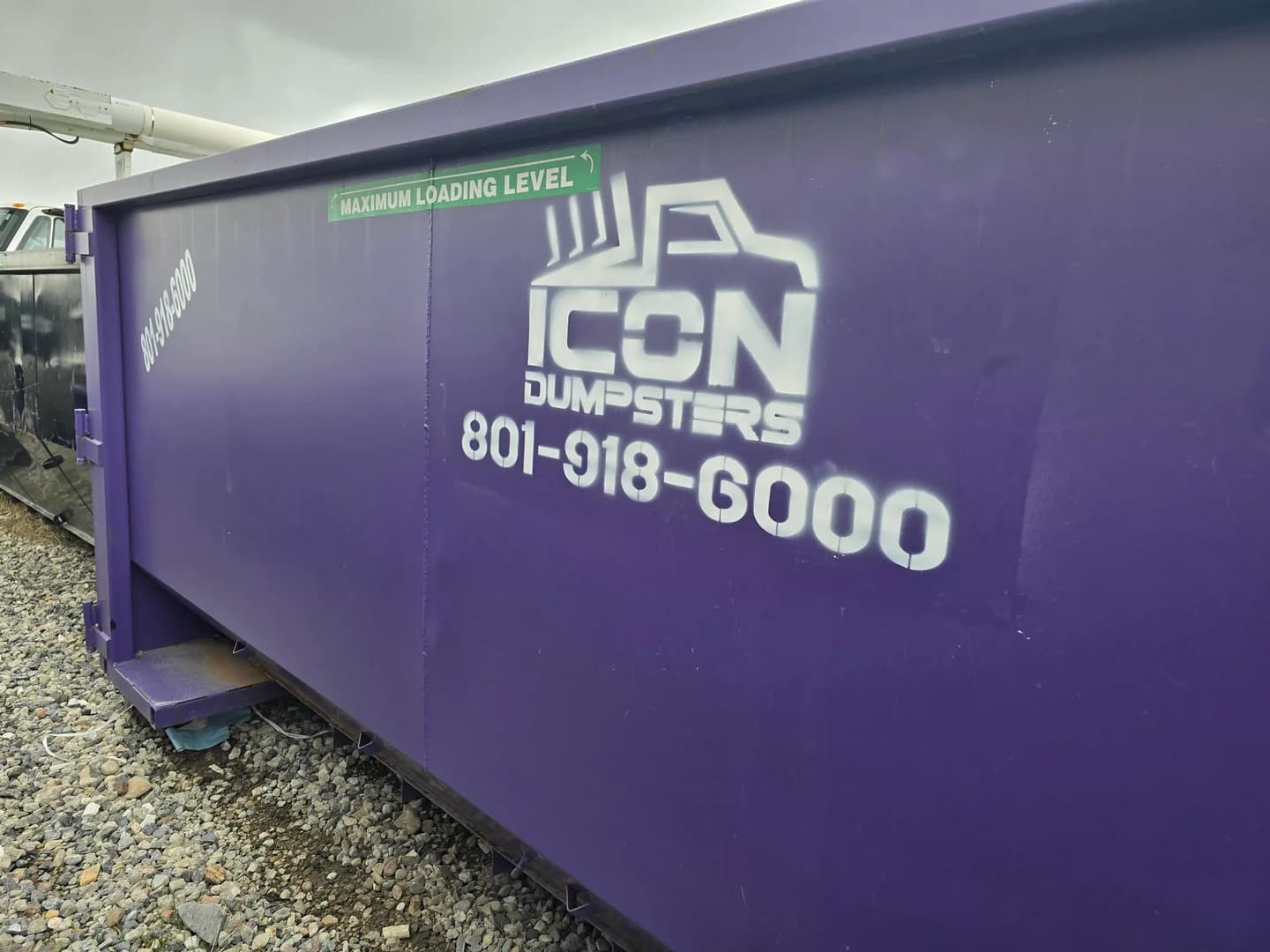
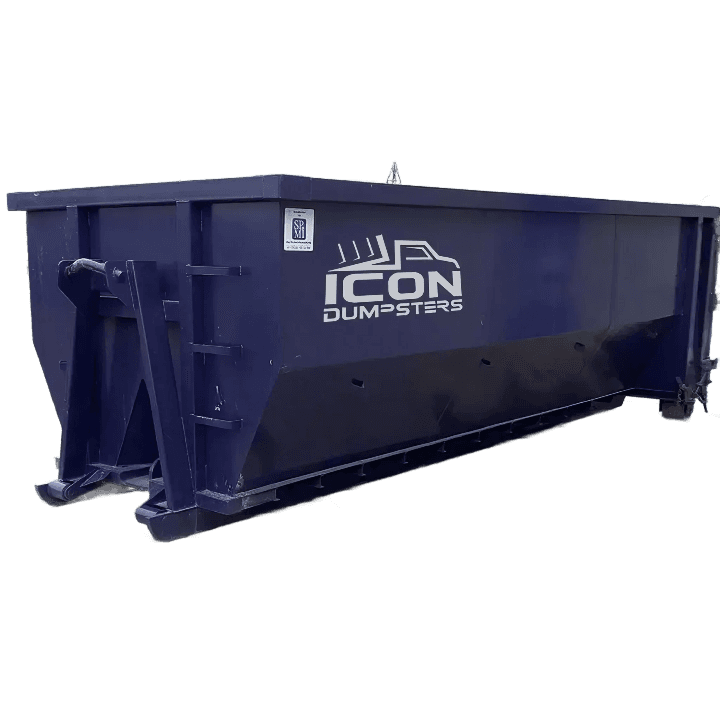
Quick Summary: Removing a concrete driveway is a major project that requires proper tools, safety equipment, and disposal planning. This guide covers everything from DIY methods to professional removal, including costs, tools needed, and how to dispose of the concrete properly.
Why Remove a Concrete Driveway?
Let me tell you something I learned the hard way: concrete driveways don't last forever. I've seen driveways that looked fine from the street but were actually a mess of cracks underneath. Sometimes you just gotta bite the bullet and remove the whole thing.
There are several reasons you might need to remove a concrete driveway, and honestly, most of them aren't fun. But knowing why you're doing it helps you plan better. Here's what I've seen:
- Cracks and damage: Extensive cracking, settling, or damage that's beyond repair. I've seen driveways where the cracks were so bad, water was pooling underneath and causing foundation issues. That's when you know it's time.
- Replacement: Installing a new driveway with better materials or design. Maybe you want something nicer, or maybe the old one just doesn't work for your needs anymore.
- Drainage issues: Driveway causing water problems or poor drainage. This one's sneaky - sometimes the driveway itself is directing water where you don't want it.
- Property improvements: Expanding or redesigning your property layout. Maybe you're adding on to the house or changing how you use the space.
- Foundation problems: Driveway affecting your home's foundation. This is serious stuff - if the driveway is pushing against your foundation or causing settling, it's gotta go.
DIY vs. Professional Removal: Which Should You Choose?
This is the question I get asked most, and honestly, there's no one-size-fits-all answer. I've done both - tackled a small driveway myself and hired pros for a bigger one. Let me break down what I learned.
The truth is, deciding between DIY and professional removal depends on several factors. And I'm not just talking about money here - your time, your back, and your sanity all matter too.
Choose DIY If:
- • Driveway is small (under 200 sq ft) - trust me, size matters here
- • You have physical strength and experience - this is hard work, no joke
- • You have access to tools (jackhammer rental) - you can't do this with just a hammer
- • Budget is a primary concern - DIY can save you a lot if you do it right
- • No rebar or minimal reinforcement - rebar makes everything harder
- • You have time (1-4 days) - this isn't a weekend project for most people
Hire Professionals If:
- • Driveway is large (400+ sq ft) - once you get past a certain size, DIY becomes miserable
- • Heavy rebar reinforcement present - cutting through rebar is a whole different ballgame
- • Limited physical ability or time - there's no shame in hiring help
- • Need fast completion - pros can knock this out in a day or two
- • Complex removal (near structures) - you don't want to damage your house trying to save money
- • Want guaranteed results - sometimes peace of mind is worth the extra cost
I'll be honest with you - I tried to DIY a 300 square foot driveway once, and I regretted it by day two. My back was killing me, I was way behind schedule, and I ended up calling a pro anyway. Sometimes the "savings" aren't worth it.
Step-by-Step Guide: How to Remove a Concrete Driveway
Alright, let's get into the nitty-gritty. I'm going to walk you through exactly how I've done this, step by step. And I'll tell you where I messed up so you don't have to.
Step 1: Plan and Prepare
This might seem obvious, but trust me - skipping this step is how projects go sideways. Before starting, create a removal plan. I learned this the hard way when I started breaking concrete before I had a dumpster lined up. Big mistake.
- Measure the driveway: Calculate square footage and thickness to estimate concrete volume. I use a simple formula: length × width × thickness (in feet) ÷ 27 = cubic yards. A typical 20×20 foot driveway that's 4 inches thick gives you about 5 cubic yards of concrete. That's important to know for dumpster sizing.
- Check for utilities: Contact utility companies to mark gas, water, and electrical lines. This is free, and it could save your life. I've seen people hit gas lines - not fun, and definitely not cheap to fix.
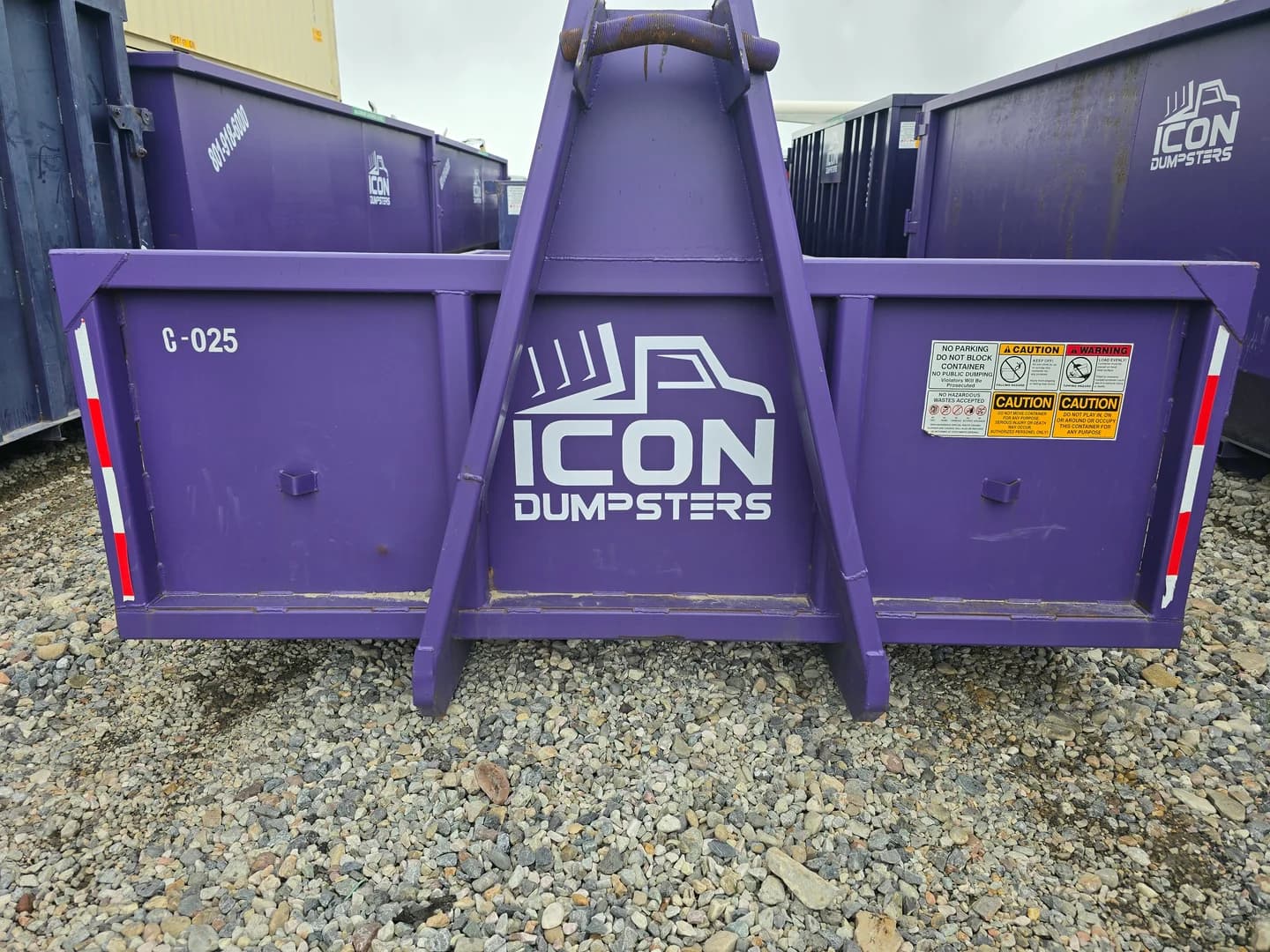
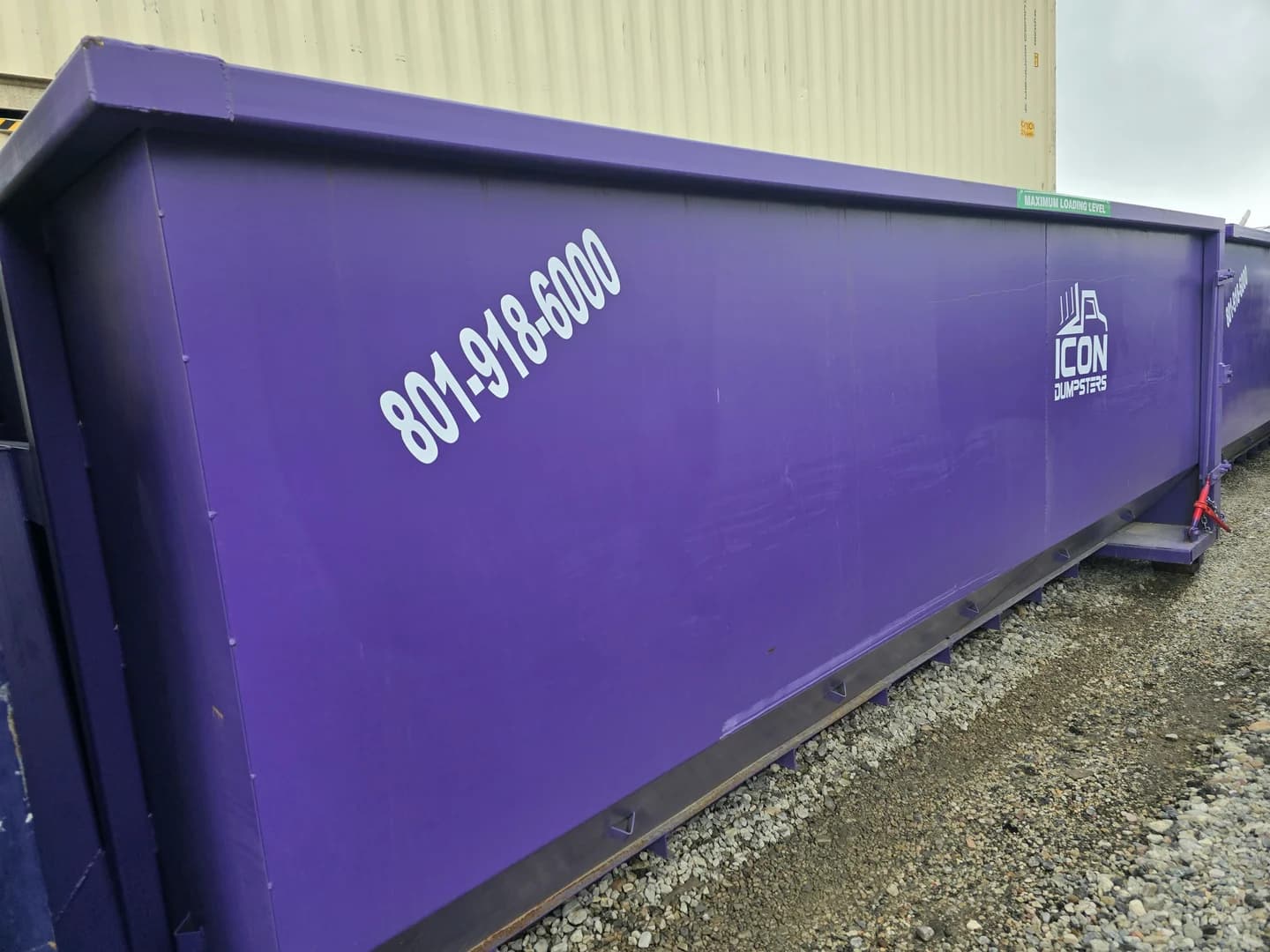
- Arrange disposal: Rent a concrete dumpster in advance - our 12-yard concrete dumpster is perfect for driveway removal. Don't wait until you're standing in a pile of broken concrete with nowhere to put it. Been there, done that.
- Get permits: Check local regulations - some areas require permits for driveway removal. I know, it's annoying, but getting caught without a permit is way more annoying.
- Notify neighbors: Let neighbors know about the noise and work schedule. Jackhammers are LOUD. Your neighbors will appreciate the heads-up, and it might save you from complaints.
Step 2: Gather Tools and Safety Equipment
Here's where a lot of people cut corners, and I get it - tools cost money. But trying to remove concrete without the right equipment is like trying to dig a hole with a spoon. It'll work, but you'll hate your life.
Essential tools and equipment you'll need - and I mean NEED, not "nice to have":
Required Tools:
- • Electric or pneumatic jackhammer: Rental $50-$100/day (essential for efficient removal). I tried doing a small section with just a sledgehammer once. Once. Your arms will thank you for renting the jackhammer.
- • Sledgehammer (10-15 lbs): For breaking smaller pieces. Get one that feels right in your hands - too heavy and you'll wear out fast, too light and you'll be swinging all day.
- • Pry bar or wrecking bar: For lifting and moving pieces. The longer the better - leverage is your friend when moving heavy concrete.
- • Wheelbarrow: For moving broken concrete. Get a good one - the cheap ones break under the weight, and concrete is HEAVY.
- • Shovel: For cleanup and base preparation. A square-point shovel works best for this.
- • Measuring tape: For planning and measurement. You'll use this more than you think.
Safety Equipment:
I know, I know - safety equipment isn't "fun" to buy. But concrete shards in your eye aren't fun either. Trust me on this.
- • Safety glasses or goggles - not optional. Concrete chips fly everywhere, and your eyes don't grow back.
- • Hearing protection (earplugs or earmuffs) - jackhammers are loud enough to cause permanent damage. I wear both earplugs AND earmuffs when I'm using one.
- • Work gloves (heavy-duty) - regular gardening gloves won't cut it. You need something that can handle sharp edges.
- • Steel-toed boots - a chunk of concrete falling on your foot will ruin your whole day. Steel toes have saved me more than once.
- • Long pants and long-sleeved shirt - concrete dust is nasty, and you don't want it on your skin.
- • Dust mask or respirator - concrete dust is bad for your lungs. Get a good one, not those cheap paper masks.
Step 3: Mark and Score the Driveway
Before breaking, mark the removal area. This seems like a small thing, but it's saved me from making mistakes more than once. When you're tired and covered in dust, it's easy to lose track of where you're supposed to be working.
- Use chalk or spray paint to mark the exact area to remove. I like spray paint because it doesn't wash away, but chalk works fine too. Make the lines clear and obvious - you'll thank yourself later.
- If removing only part of the driveway, score along the cut line with a concrete saw. This creates a clean break line and makes the job way easier. You can rent a concrete saw from most tool rental places for about $75-$150 per day.
- Mark any areas with rebar or reinforcement for special attention. Rebar changes everything - you'll need different tools and more time. I mark these areas with a different color so I know what I'm getting into.
- Plan your breaking pattern - start from edges and work inward. This gives you space to work and makes cleanup easier. I learned this after trying to start in the middle once. Don't do that.
Step 4: Break the Concrete
This is the most physically demanding part, and I'm not gonna sugarcoat it - it's hard work. But there's a technique to it, and once you get the hang of it, it goes faster.
⚠️ Safety First!
Always wear safety equipment. Concrete can shatter unpredictably, sending sharp fragments flying. I've had pieces fly 20 feet - you never know. Work methodically and take breaks to avoid fatigue. When you're tired, you make mistakes, and mistakes with concrete removal can be serious.
Breaking Technique:
Here's what I've learned after doing this more times than I care to admit:
- Start at edges: Begin breaking from the edges and work toward the center. The edges are usually weaker and give you a starting point. Plus, you create space to work as you go inward.
- Use jackhammer properly: Hold at a 45-degree angle, let the tool do the work. Don't force it - the jackhammer is doing the heavy lifting, you're just guiding it. I see people trying to push down on it, and that just wears you out faster.
- Break into manageable pieces: Aim for pieces 1-2 feet in size - small enough to move but large enough to be efficient. Too small and you're wasting time, too large and you can't move them. I've broken pieces that were too big, and then had to break them again. Learn from my mistakes.
- Work in sections: Break a section, remove it, then move to the next. This keeps your work area clear and makes the whole process more manageable. I like to do 4×4 foot sections at a time.
- Handle rebar carefully: Cut rebar with a reciprocating saw or angle grinder if needed. Rebar is sharp, and it can spring back when you cut it. Wear gloves and eye protection, and be careful. I've gotten cut by rebar more than once - it's not fun.
One thing I learned: take breaks. This isn't a race. I try to work for 30-45 minutes, then take a 10-15 minute break. Your body will thank you, and you'll actually get more done because you won't be exhausted.
Step 5: Remove Broken Concrete
As you break concrete, move it to your dumpster. This might seem obvious, but there's a method to it. I've seen people pile it all up and then try to move it at the end - that's way harder than doing it as you go.
- Load broken pieces into wheelbarrow. Don't overload it - concrete is heavy, and a full wheelbarrow of broken concrete can weigh 200-300 pounds. I've tipped wheelbarrows trying to be too efficient. Take smaller loads, make more trips. Your back will thank you.
- Transport to your concrete dumpster. Make sure you have a clear path - you don't want to be tripping over stuff while carrying heavy concrete.
- Distribute weight evenly in dumpster. Don't dump everything in one corner - spread it out. This helps with weight distribution and makes the dumpster easier to pick up later.
- Break large pieces further if needed to maximize space. Sometimes you'll break a piece that's still too big. Break it down more before putting it in the dumpster - you'll fit more in that way.
- Keep work area clear for safety. Tripping over broken concrete is a great way to get hurt. I keep my work area organized - break, move, repeat. It's slower, but safer.
One tip: if you're working alone, don't try to lift pieces that are too heavy. Break them down more, or get help. I've strained my back more than once trying to be a hero. It's not worth it.
Step 6: Clean Up and Prepare Base
Once all concrete is removed, you're not done yet. I know, you're tired and you want to be finished, but this step matters. Especially if you're putting in a new driveway - a bad base means your new driveway won't last.
- Remove any remaining debris and dust. Get it all - leftover concrete chunks, dust, everything. I use a leaf blower and a shovel to get it really clean. You want a clean base to work with.
- Check base condition - remove damaged or unstable base material. Sometimes the base under the old driveway is fine, sometimes it's not. Check for soft spots, settling, or damage. If it's bad, you need to fix it before putting in a new driveway.
- Grade and compact the base if installing new driveway. This is important - you want a level, compact base. I use a hand tamper for small areas, but for bigger jobs, you might want to rent a plate compactor. They're not expensive to rent, and they make a huge difference.
- Add new base material if needed (gravel, crushed stone). If the old base is gone or damaged, you'll need to add new material. I usually use 4-6 inches of compacted gravel or crushed stone. Make sure it's well-compacted - this is what your new driveway sits on.
- Ensure proper drainage slope. The base should slope away from your house, usually about 1/4 inch per foot. This keeps water from pooling and causing problems. I check this with a level - it's worth taking the time to get it right.
I know this step seems like extra work, but trust me - skipping it will cause problems later. A good base is the foundation of a good driveway. Pun intended.
Cost Breakdown: Removing a Concrete Driveway
Let's talk money, because that's usually the first question people ask. Understanding the costs helps you budget properly, and I've learned the hard way that unexpected costs can really mess up a project.
I'm going to give you real numbers based on a typical 400 square foot driveway (20×20 feet). That's a pretty common size, so it's a good baseline. Your costs might be different depending on your area and specific situation, but this should give you a ballpark.
DIY Removal Costs (400 sq ft driveway):
- • Jackhammer rental (3 days): $150-$300 - prices vary by area, shop around
- • Safety equipment: $50-$100 - this is a one-time purchase, you'll use it again
- • Concrete dumpster rental (7 days): $349 - this is our flat rate, no weight limits, which is huge for concrete
- • Tools (sledgehammer, pry bar): $50-$100 - you might already have some of these
- • Permits (if required): $25-$100 - check with your local building department
- Total DIY Cost: $624-$949 - this is what I've seen for a typical project
Professional Removal Costs (400 sq ft driveway):
- • Professional removal: $1,200-$3,200 ($3-$8 per sq ft) - depends on complexity and your area
- • Disposal included or additional: $200-$500 - some pros include it, some don't, ask upfront
- Total Professional Cost: $1,400-$3,700 - usually worth it for larger driveways
Here's the thing - DIY can save you money, but only if you actually finish the job. I've seen people start DIY, get halfway through, and then call a pro to finish. That ends up costing more than just hiring someone from the start. Be honest with yourself about what you can handle.
Also, don't forget about your time. If you make $50 an hour and the DIY project takes you 20 hours, that's $1,000 of your time. Sometimes the "savings" aren't really savings when you factor in your time. Just something to think about.
Concrete Disposal: The Right Way
Alright, let's talk about disposal, because this is where a lot of people get tripped up. Proper concrete disposal is crucial, and I've seen people make expensive mistakes here.
Here's the thing about concrete - it's HEAVY. Like, really heavy. A cubic yard of broken concrete weighs about 2.5 to 3 tons. That's 5,000 to 6,000 pounds. A typical driveway produces 5-6 cubic yards, so you're looking at 12-18 tons of material. That's a lot of weight.
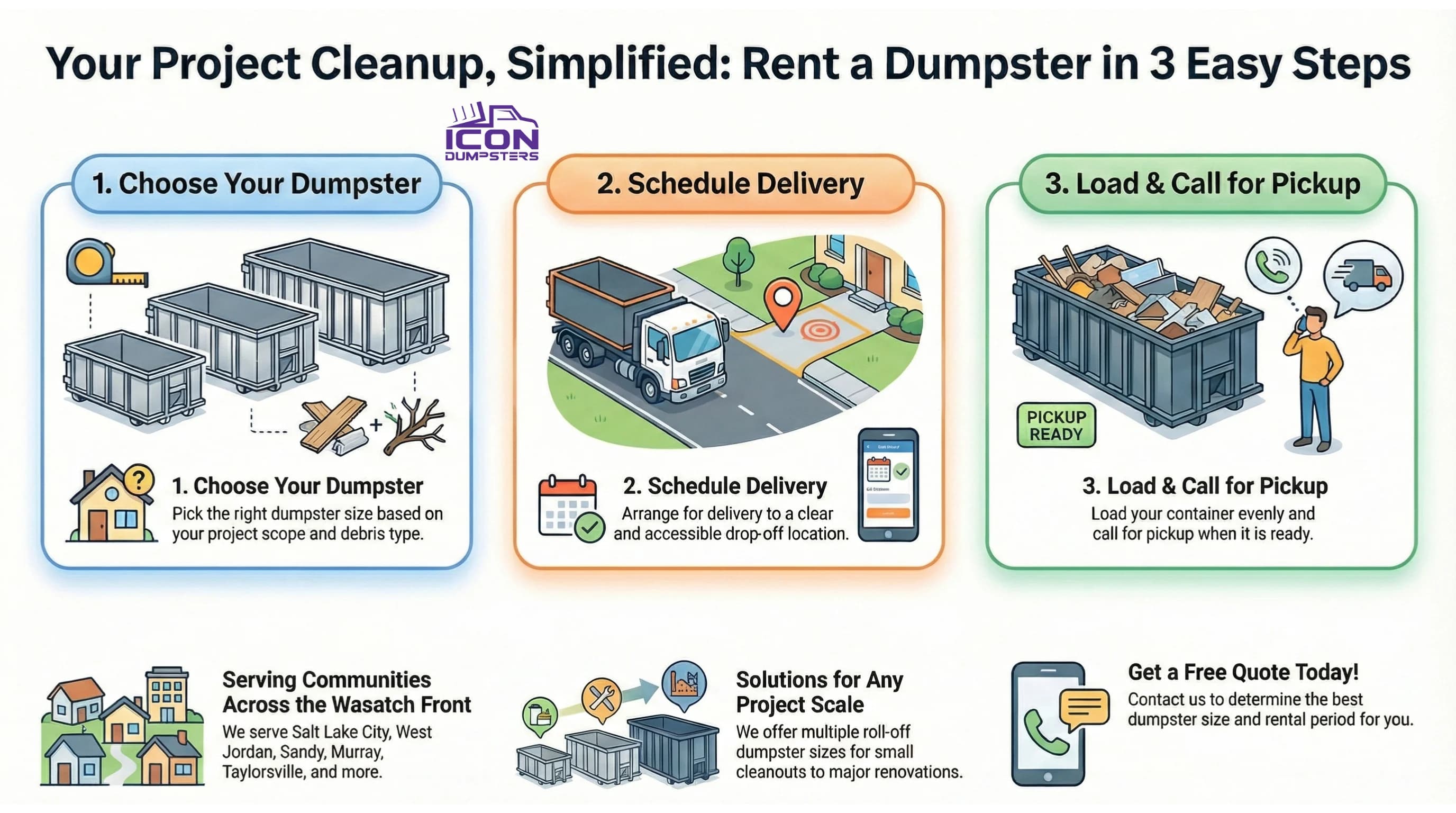
Concrete Removal Process Guide (hover to enlarge)
This infographic shows you the whole process visually - from planning to disposal. I find it helpful to see it laid out like this, especially if you're new to concrete removal. It covers the tools, safety tips, and disposal methods all in one place.
Why Use a Specialized Concrete Dumpster?
I learned this lesson the expensive way. I tried using a regular dumpster for concrete once, and let me tell you - that did not go well. The weight fees were insane, and I ended up paying way more than I would have with a specialized dumpster. Here's why a concrete-specific dumpster is the way to go:
- • No weight limits: Concrete weighs 2.5-3 tons per cubic yard - standard dumpsters would quickly exceed limits. Most regular dumpsters have a 2-3 ton weight limit, and you'll hit that fast with concrete. Then you get hit with overweight fees, which can be $50-$100 per ton. That adds up quick.
- • Flat-rate pricing: Our 12-yard concrete dumpster costs $349 for 7 days - no surprise fees. You know exactly what you're paying upfront. No guessing, no surprises. I love that.
- • Perfect size: Holds 8-10 cubic yards of broken concrete (20-30 tons). A typical driveway fits perfectly in one dumpster. No need for multiple pickups or worrying about running out of space.
- • Recycling coordination: We help coordinate concrete recycling when possible. Concrete can be recycled into new concrete or used as road base, which is better for the environment. We try to recycle whenever we can.
- • Designed for heavy materials: Built specifically to handle concrete weight. These dumpsters are reinforced and designed for heavy materials, so you don't have to worry about damage or safety issues.
The bottom line? If you're removing concrete, get a concrete dumpster. It'll save you money, headaches, and probably some phone calls with frustrated dumpster companies. Trust me on this one.
Common Challenges and Solutions
Every project has challenges, and concrete removal is no exception. I've run into pretty much every problem you can think of, so let me share what I've learned about handling the common ones.
Challenge: Heavy Rebar Reinforcement
If your driveway has heavy rebar, things get more complicated. Rebar is steel reinforcement that's embedded in the concrete, and it makes everything harder. I've dealt with this more than once, and here's what works:
- Use a reciprocating saw with metal-cutting blade to cut rebar. This is what I use - it's not fast, but it works. Make sure you get a blade designed for metal, not wood. The wood blades will just burn up.
- Or use an angle grinder with cutting wheel. This is faster than a reciprocating saw, but it's louder and creates more sparks. Wear eye protection and be careful - those cutting wheels can break if you're not careful.
- Consider professional removal if rebar is extensive. If there's a lot of rebar, or if it's really thick (like 1/2 inch or more), you might want to call a pro. Cutting through that much rebar is a pain, and sometimes it's worth paying someone else to deal with it.
- Rebar can stay attached to concrete pieces - it's fine for disposal. You don't have to remove all the rebar - if it's attached to a concrete chunk, you can just throw the whole thing in the dumpster. The rebar will get recycled along with the concrete.
One thing I learned: rebar is sharp. Really sharp. Wear good gloves and be careful when handling it. I've gotten some nasty cuts from rebar edges.
Challenge: Concrete Near Structures
When removing concrete near your home or other structures, you need to be extra careful. One wrong move and you could damage your foundation or your house. I've seen it happen, and it's expensive to fix.
- Work carefully near foundations. Take your time, and don't rush. If you're not sure, stop and think about it. Better to go slow than to cause damage.
- Use smaller tools (sledgehammer) near structures. Jackhammers are powerful, and that power can cause damage if you're not careful. Near foundations or walls, I switch to a sledgehammer - it's slower, but safer.
- Consider professional removal for safety. If the concrete is really close to your house or foundation, it might be worth hiring a pro. They have the experience and equipment to do it safely.
- Protect nearby structures with plywood barriers. I put up plywood sheets to protect walls and foundations from flying concrete chips. It's cheap insurance.
The key here is patience. Don't try to rush when you're working near structures. Take your time, be careful, and if you're not sure, get help.
Challenge: Large Driveway Size
For large driveways (800+ sq ft), the project gets bigger in every way - more time, more work, more concrete to dispose of. I've done a few large ones, and here's what I learned:
- Consider professional removal for efficiency. For really large driveways, pros can knock it out in 2-3 days with heavy equipment. DIY would take you a week or more. Sometimes the time savings are worth the cost.
- Or plan for multiple dumpsters or scheduled pickups. If you're doing it yourself, you might need more than one dumpster, or you might need to schedule a pickup and get a second dumpster. Plan ahead for this.
- Break into phases if doing DIY. Don't try to do the whole thing at once. Break it into sections, finish one section completely (including cleanup), then move to the next. This keeps things manageable.
- Allow extra time (4-7 days for DIY). Large driveways take time. Don't plan on finishing in a weekend - give yourself plenty of time. I usually plan for at least a week for a large driveway, and I'm not surprised if it takes longer.
The biggest mistake I see with large driveways? People underestimate how long it'll take. Give yourself more time than you think you need. You'll thank yourself later.
When to Hire Professionals
I'm all for DIY projects - I do them all the time. But there are times when hiring a professional is the smart move. Professional removal is recommended when:
- Driveway is 400+ square feet. Once you get past a certain size, DIY becomes a real grind. Pros can knock out a large driveway in a day or two with heavy equipment. You'd be looking at a week or more doing it yourself.
- Heavy rebar reinforcement present. Cutting through a lot of rebar is time-consuming and frustrating. Pros have the right tools and experience to handle it efficiently.
- Limited physical ability or time. There's no shame in hiring help. If you're not physically able to do the work, or if you just don't have the time, hire someone. Your health and your schedule are worth it.
- Concrete near critical structures. If the concrete is close to your foundation, your house, or other important structures, it's worth hiring someone with experience. One mistake could cost you thousands in repairs.
- Need fast completion. Sometimes you need it done fast - maybe you're selling the house, or you have a deadline. Pros can work faster than you can DIY, especially on larger projects.
- Want guaranteed results. Pros do this for a living - they know what they're doing, and they'll get it done right. If you want peace of mind, hire a pro.
Professional contractors have heavy equipment (skid steers, mini excavators, concrete breakers) that make removal much faster and more efficient. They also handle disposal and cleanup, which is one less thing for you to worry about. I've hired pros for large projects, and it's always been worth it.
The key is being honest with yourself about what you can handle. There's no shame in hiring help - sometimes it's the smart move. I've done both, and I don't regret either choice.
Concrete Recycling: Environmental Benefits
Here's something a lot of people don't know - concrete from driveway removal can be recycled. I didn't know this until I got into this business, but it's pretty cool actually.
Concrete recycling is good for the environment and can sometimes save you money. Here's what happens to recycled concrete:
- Crushed concrete aggregate: Used in new concrete mixes. The old concrete gets crushed up and used as aggregate (the rock part) in new concrete. It's not quite as strong as new aggregate, but it works fine for a lot of applications.
- Road base: Used as base material for roads and driveways. Crushed concrete makes a great road base - it compacts well and drains properly. I've seen it used on driveways and parking lots.
- Fill material: Used for construction fill. If you need to fill a hole or level some ground, crushed concrete works great. It's cheaper than buying new gravel, and it keeps the old concrete out of the landfill.
- Environmental benefit: Reduces landfill waste and conserves natural resources. Concrete takes up a lot of space in landfills, and making new concrete uses a lot of energy and resources. Recycling helps with both of those problems.
When you rent our concrete dumpster, we coordinate recycling whenever possible. This helps reduce environmental impact and may provide cost savings. Not all concrete can be recycled (it depends on what's in it and where you are), but we try to recycle whenever we can.
I like knowing that the concrete I'm removing isn't just going to sit in a landfill forever. Recycling makes sense, and it's something we should all try to do when we can.
Safety Tips for Concrete Driveway Removal
I'm going to be really direct here - safety is not optional. I've seen people get hurt doing this work, and it's almost always because they skipped safety equipment or got careless. Don't be that person.
Concrete removal is dangerous work. There's no way around it. But you can do it safely if you follow some basic rules. Here's what I've learned about staying safe:
Critical Safety Reminders:
- • Always wear safety glasses - concrete fragments can cause serious eye injury. I've had pieces fly 20 feet and hit me in the face. Without safety glasses, I'd be blind in one eye. No joke.
- • Use hearing protection - jackhammers are extremely loud. I wear both earplugs and earmuffs. Permanent hearing damage is real, and it happens gradually. You won't notice until it's too late.
- • Wear steel-toed boots - protect feet from falling concrete. A chunk of concrete falling on your foot can break bones. Steel toes have saved me more than once.
- • Use proper lifting technique - concrete is heavy, avoid back injury. Lift with your legs, not your back. If something's too heavy, break it down more or get help. Back injuries are no joke.
- • Take breaks - fatigue leads to accidents. When you're tired, you make mistakes. Take regular breaks, stay hydrated, and don't try to power through when you're exhausted.
- • Keep work area clear - tripping hazards are dangerous. Broken concrete everywhere is a tripping hazard. Keep your work area organized and clear.
- • Watch for rebar - sharp edges can cause cuts. Rebar is sharp, and it can cut you bad. Wear good gloves and be careful when handling it.
- • Stay hydrated - especially in hot weather. This is hard work, and you'll sweat a lot. Drink water regularly, even if you don't feel thirsty.
I know safety equipment isn't "fun" to buy or wear, but it's essential. I've been doing this for years, and I still wear all my safety gear every single time. There's no such thing as being too safe when you're breaking concrete.
Timeline: How Long Does Driveway Removal Take?
This is one of the most common questions I get, and honestly, it's hard to give a precise answer because it depends on so many factors. But I can give you some realistic timelines based on what I've seen.
Removal time varies by method and driveway size, but also by your experience, the tools you have, whether there's rebar, and how the weather is. Here's what I've seen:
| Driveway Size | DIY Time | Professional Time |
|---|---|---|
| Small (200 sq ft) | 1-2 days | 4-6 hours |
| Medium (400 sq ft) | 2-4 days | 1 day |
| Large (800+ sq ft) | 4-7 days | 2-3 days |
These are estimates, and your actual time might be different. If you're experienced and have good tools, you might finish faster. If you're new to this or hit unexpected problems (like a lot of rebar), it might take longer. I always plan for the longer end of the range - it's better to finish early than to be behind schedule.
Also, these times are just for the removal - they don't include cleanup, base preparation, or disposal. Add another day or two for that stuff, especially if you're doing it yourself.
After Removal: What's Next?
Once the driveway is removed, you're not done yet. I know, you're probably tired and ready to be finished, but this is an important step. What you do now affects what happens next.
If you're putting in a new driveway, the base preparation is critical. A bad base means your new driveway won't last. If you're not putting in a new driveway, you still need to deal with the area. Here's what I do:
- Clean the base: Remove all debris and prepare the base. Get everything - concrete chunks, dust, everything. I use a leaf blower and a shovel to get it really clean. You want a clean base to work with.
- Evaluate base condition: Check for damage, settling, or drainage issues. Look for soft spots, settling, or areas where water pools. If the base is bad, you need to fix it before putting in a new driveway.
- Repair if needed: Add base material, compact, and grade. If the base is damaged or missing, add new material (gravel or crushed stone), compact it well, and make sure it's graded properly. This is important - a good base is the foundation of a good driveway.
- Plan new installation: Decide on new driveway material and design. If you're putting in a new driveway, now's the time to plan it out. What material do you want? What design? Get quotes from contractors if you're hiring someone.
- Schedule installation: Coordinate with contractors if hiring professionals. If you're hiring someone to install the new driveway, schedule it now. Good contractors book up fast, especially in the spring and summer.
If you're not putting in a new driveway right away, you still need to deal with the area. You can't just leave a dirt patch - it'll turn into a mud pit when it rains. At minimum, add some gravel and compact it. It doesn't have to be perfect, but it should be stable and not turn into a mess.
Conclusion
Alright, we've covered a lot here. Removing a concrete driveway is a major project that requires proper planning, tools, and disposal. There's no way around it - it's hard work. But it's doable, whether you DIY or hire a pro.
The key is being honest with yourself about what you can handle. If you're doing a small driveway and you're up for the work, go for it. If you're dealing with a large driveway or you're not sure, hire a pro. There's no shame in either choice.
Whether you choose DIY or professional removal, having the right concrete dumpster rentalmakes the process much more manageable. I've learned this the hard way - trying to use a regular dumpster for concrete is expensive and frustrating. Get a concrete-specific dumpster, and you'll save yourself a lot of headaches.
Our specialized 12-yard concrete dumpster is perfect for driveway removal projects, offering flat-rate pricing ($349 for 7 days) with no weight limits. This eliminates the worry of overweight fees that come with standard dumpsters. You know exactly what you're paying upfront, and you don't have to worry about surprise fees.
Ready to start your driveway removal project? Get a free quote for concrete dumpster rental, or call us at (801) 918-6000 to discuss your project. We're here to help, and we've seen just about every situation you can think of.
Good luck with your project, and remember - take your time, stay safe, and don't be afraid to ask for help if you need it. I've been doing this for years, and I still learn something new every time. That's part of what makes it interesting, I guess.
If you have questions or want to share your own experiences, feel free to reach out. I'm always happy to help, and I love hearing about other people's projects. Every driveway is different, and there's always something new to learn.
Frequently Asked Questions
How much does it cost to remove a concrete driveway?
The cost to remove a concrete driveway varies based on size and method. DIY removal costs $200-$500 for tools and disposal, while professional removal costs $3-$8 per square foot. A typical 20x20 foot driveway (400 sq ft) costs $1,200-$3,200 for professional removal. Dumpster rental for concrete disposal adds $280-$600 depending on rental period. Our specialized concrete dumpster rental starts at $349 for 7 days with no weight limits.
Can I remove a concrete driveway myself?
Yes, you can remove a concrete driveway yourself if it's small (under 200 sq ft) and you have the right tools. You'll need a jackhammer, sledgehammer, pry bar, safety equipment, and a concrete dumpster for disposal. However, for larger driveways, driveways with rebar, or if you have physical limitations, hiring professionals is recommended. Professional removal is faster, safer, and often more cost-effective for large projects.
What tools do I need to remove a concrete driveway?
Essential tools include: electric or pneumatic jackhammer (rental $50-$100/day), sledgehammer (10-15 lbs), pry bar or wrecking bar, wheelbarrow, safety equipment (gloves, safety glasses, ear protection, steel-toed boots), and a concrete dumpster for disposal. For larger projects, you may need a skid steer or mini excavator. Always rent or purchase proper safety equipment before starting.
How do I dispose of concrete from driveway removal?
The best way to dispose of concrete from driveway removal is to rent a specialized concrete dumpster. Our 12-yard concrete dumpster rental is perfect for driveway removal, offering flat-rate pricing ($349 for 7 days) with no weight limits. Concrete weighs 2.5-3 tons per cubic yard, so standard dumpsters quickly exceed weight limits. A typical driveway produces 5-6 cubic yards of concrete, which fits perfectly in our specialized dumpster.
How long does it take to remove a concrete driveway?
Removal time depends on driveway size and method. A small driveway (200 sq ft) takes 1-2 days for DIY removal. A medium driveway (400 sq ft) takes 2-4 days DIY or 1 day with professional equipment. Large driveways (800+ sq ft) take 4-7 days DIY or 2-3 days professionally. Professional removal with heavy equipment is significantly faster. Plan for extra time if the driveway has rebar reinforcement.
Should I remove concrete driveway before or after new installation?
Always remove the old concrete driveway before installing a new one. This ensures proper base preparation, prevents height issues, and allows for proper drainage. Remove the old driveway, prepare the base (compacting, grading, adding base material), then pour the new concrete. Having a concrete dumpster on-site during removal makes the process more efficient.
Can concrete from driveway removal be recycled?
Yes, concrete from driveway removal can be recycled! Recycled concrete is crushed and reused as aggregate for new concrete, road base, or fill material. We coordinate concrete recycling whenever possible, which helps reduce environmental impact and may lower disposal costs. When you rent our concrete dumpster, let us know if you're interested in recycling options.
What size dumpster do I need for driveway removal?
For driveway removal, our 12-yard concrete dumpster is perfect. A typical 20x20 foot driveway (4 inches thick) produces about 5-6 cubic yards of broken concrete. Our 12-yard concrete dumpster can hold 8-10 cubic yards of broken concrete (20-30 tons), which is more than enough for most residential driveways. For larger driveways, you may need multiple dumpsters or scheduled pickups.
Ready to Remove Your Concrete Driveway?
Get a free quote for our specialized concrete dumpster rental. Flat-rate pricing, no weight limits, perfect for driveway removal projects.