What Size Dumpster Do I Need? [2026 Dumpster Size Calculator + Real Examples]
Quick Answer
What size dumpster do I need? For most home projects, a 20-yard dumpster is perfect (kitchen remodels, bathroom renovations, medium cleanouts). For small cleanouts, choose a 10-yard. For whole-house projects or roofing, get a 30-yard. For major construction, use a 40-yard.
Rule of thumb: If you're unsure, size up one level—it's cheaper than ordering a second dumpster.
Quick Takeaways
- ✓40% of first-time renters choose the wrong dumpster size
- ✓20-yard dumpsters are the most popular size for homeowners
- ✓One dumpster size too large costs $50-100 more
- ✓One size too small costs $300-400 more (second rental)
- ✓Weight limits matter as much as volume—heavy materials need larger sizes
Introduction
"What size dumpster do I need?" sounds like a simple question—until you're staring at a driveway wondering if you just ordered something way too small. I've been there. One project, one bad guess, and suddenly debris is piled next to the dumpster instead of inside it.
According to industry data, over 40% of first-time renters choose the wrong dumpster size, which usually means extra fees or delays. The good news? It doesn't have to be complicated.
In this guide, I'll walk you through exactly how to choose the right dumpster size in 2026, using a simple calculator, real-life examples, and lessons learned the hard way. Whether you're cleaning out a garage, remodeling a kitchen, or tackling a full construction job, this breakdown will save you time, money, and stress.
Dumpster Sizes Explained (10, 20, 30, and 40 Yard Dumpsters)
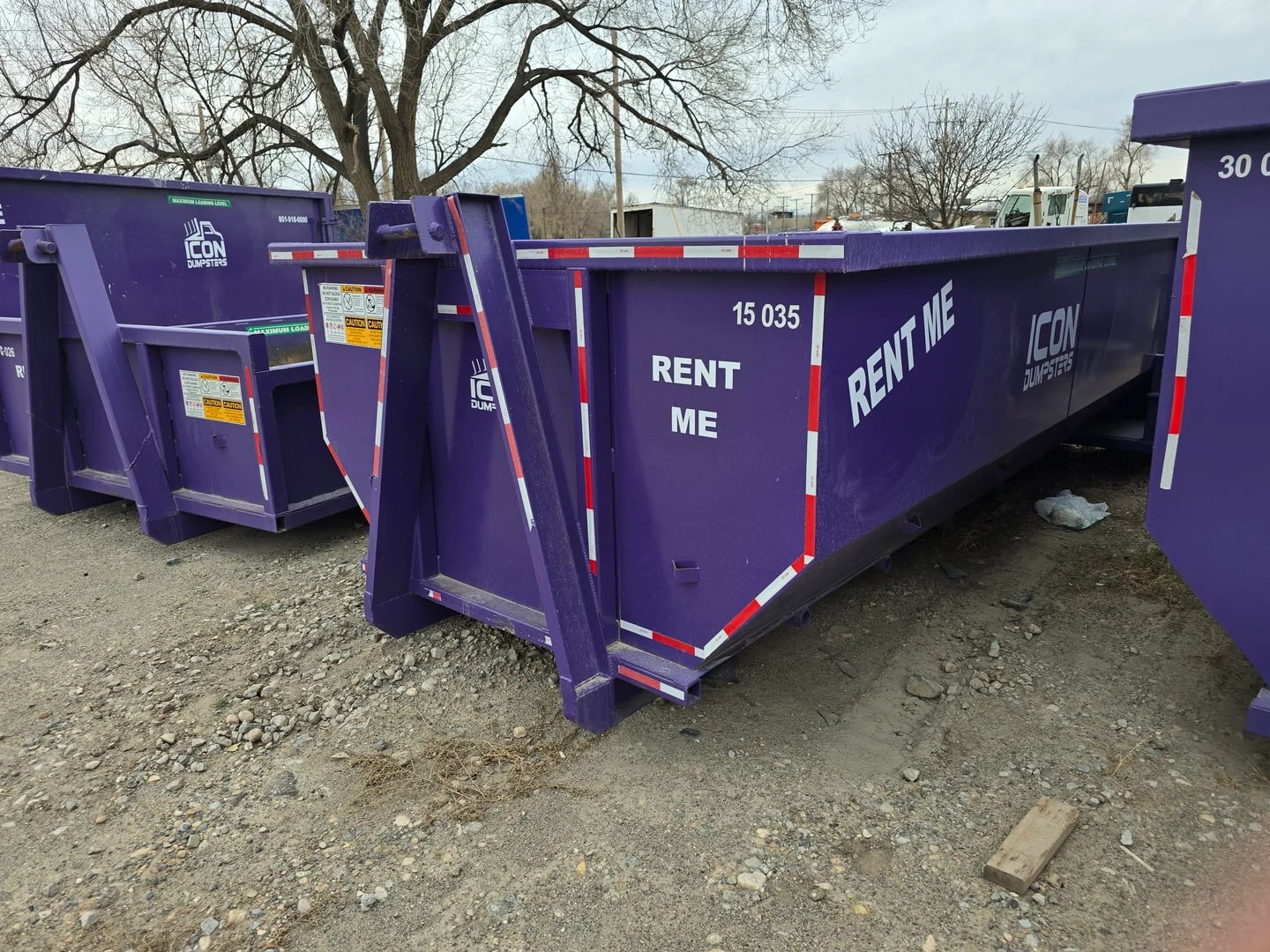
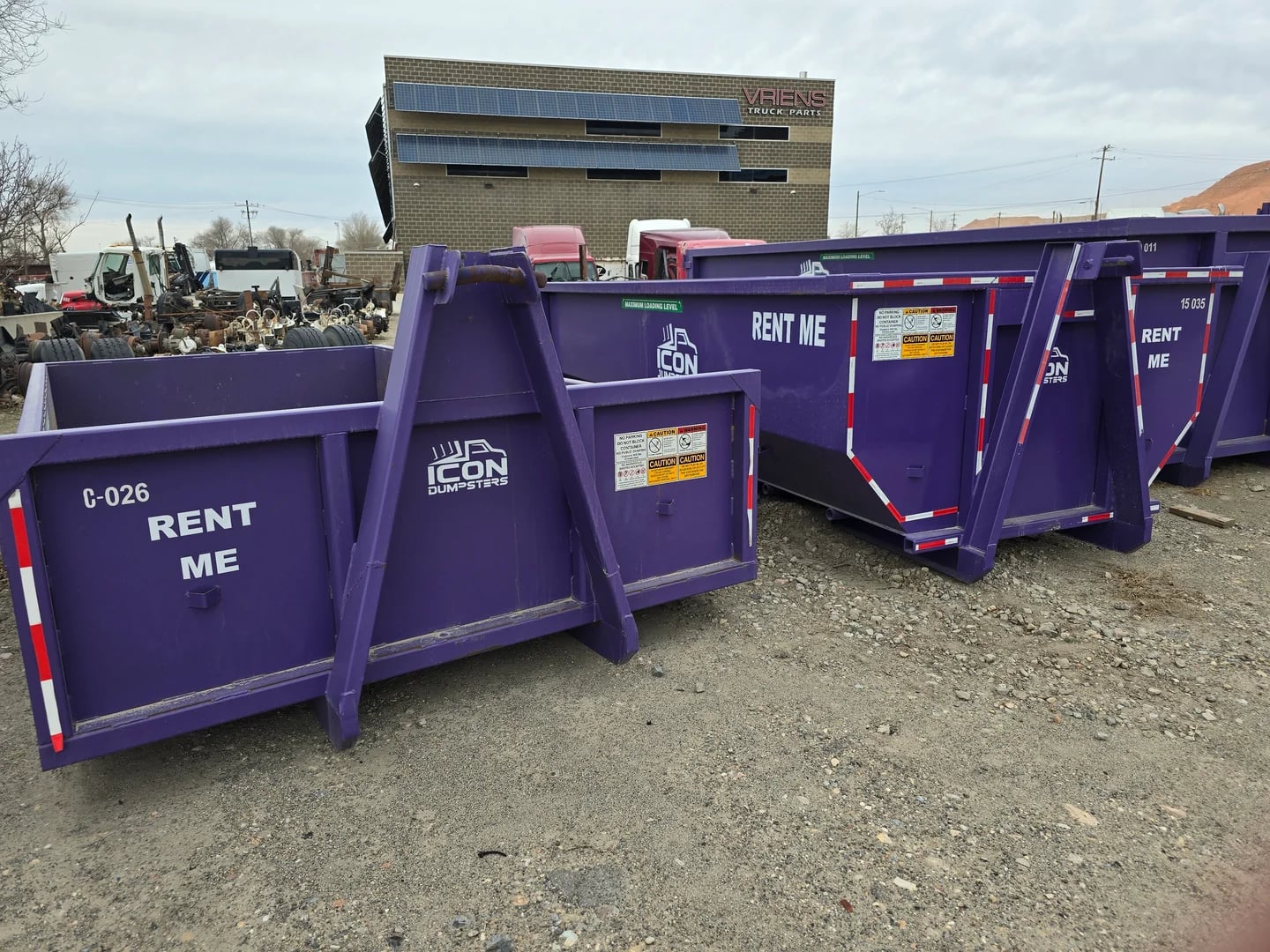
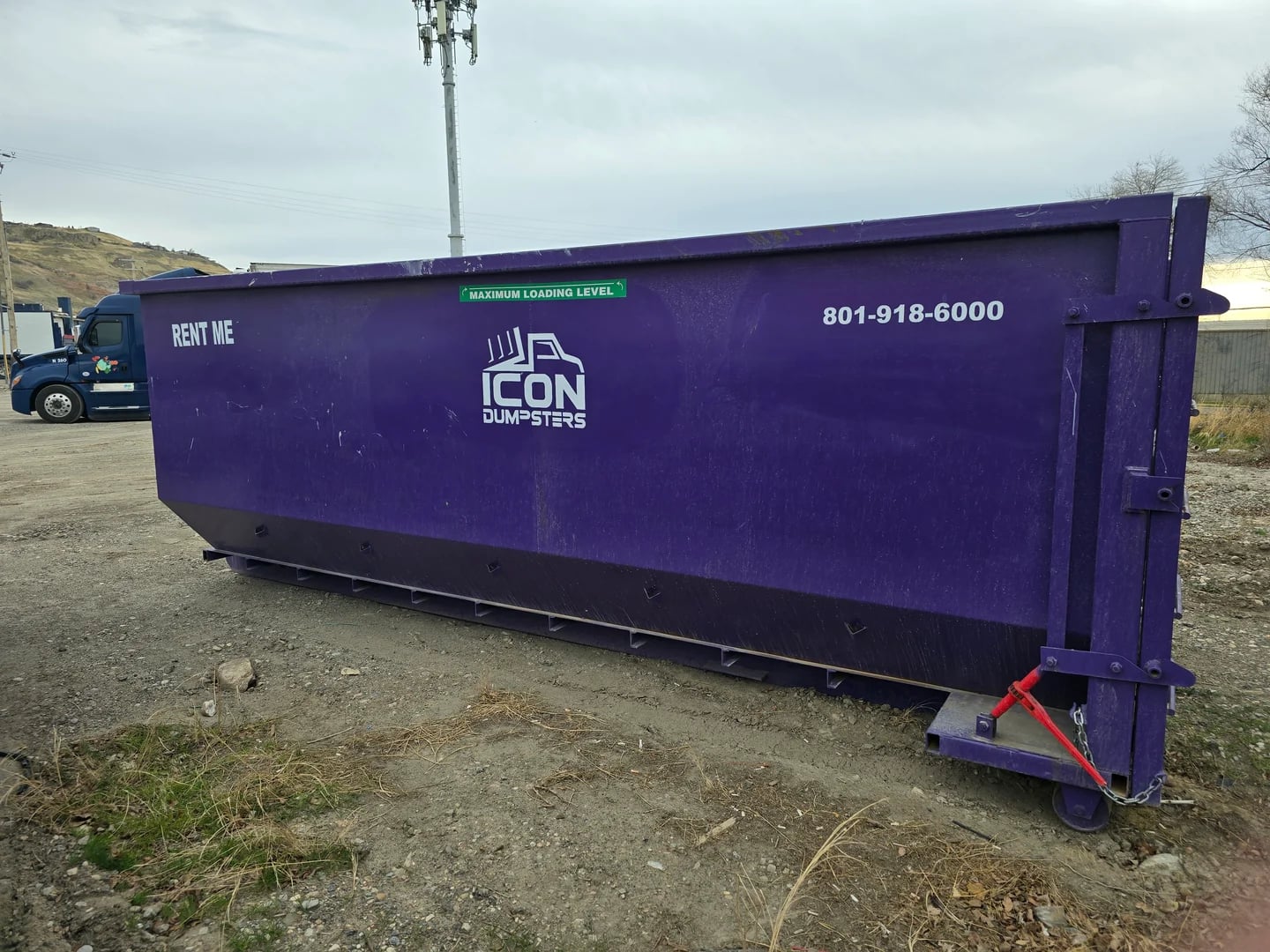
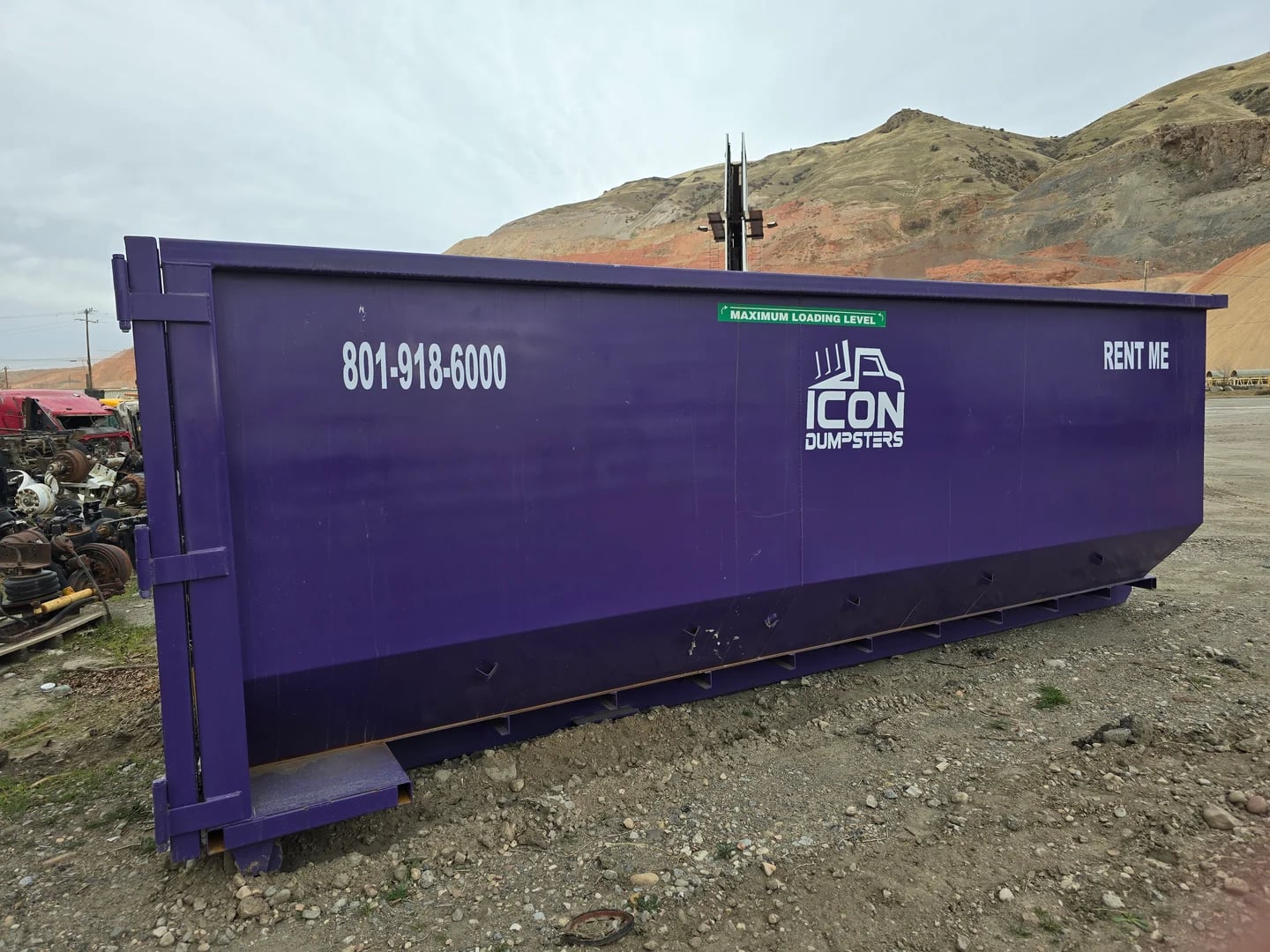
Dumpster sizes are measured in cubic yards—the total volume of debris the container can hold. Here's what that actually means in real-world terms:
10-Yard Dumpster
Dimensions: 12' L × 8' W × 3.5' H
Capacity: Holds about 4 pickup truck loads
Weight Limit: 1-2 tons
Price Range: $300-$400
Best For:
- • Small garage cleanouts
- • Minor bathroom remodels
- • Deck removal (small)
- • Yard waste cleanup
Visual: About the size of a small moving truck bed—think single room of junk.
20-Yard Dumpster
MOST POPULARDimensions: 22' L × 8' W × 4.5' H
Capacity: Holds about 8 pickup truck loads
Weight Limit: 2-3 tons
Price Range: $400-$550
Best For:
- • Kitchen remodels
- • Bathroom renovations
- • Medium estate cleanouts
- • Flooring removal (whole house)
- • Small roofing jobs (under 20 squares)
Visual: About the size of a standard parking space—the Goldilocks size for most homeowners.
30-Yard Dumpster
Dimensions: 22' L × 8' W × 6' H
Capacity: Holds about 12 pickup truck loads
Weight Limit: 3-4 tons
Price Range: $500-$650
Best For:
- • Whole-house cleanouts
- • Large estate cleanouts
- • Major renovations
- • Roofing projects (20-35 squares)
- • Window/siding replacement
Visual: Tall enough to stand in—perfect for bulky furniture and large renovation debris.
40-Yard Dumpster
Dimensions: 22' L × 8' W × 8' H
Capacity: Holds about 16 pickup truck loads
Weight Limit: 4-5 tons
Price Range: $600-$800
Best For:
- • Major construction projects
- • Full home demolitions
- • Commercial construction
- • Large roofing jobs (35+ squares)
- • Multi-unit cleanouts
Visual: Largest residential size—usually overkill for homeowners, perfect for contractors.
💡 Why Weight Limits Matter
You might have room for more debris, but if you exceed the weight limit, you'll pay overage fees of $40-100 per ton. Heavy materials like concrete, dirt, and roofing shingles fill up the weight limit before the volume limit. Learn more about dumpster rental pricing.
Dumpster Size Calculator (How to Estimate What You Need)
Use this simple step-by-step method to calculate the right dumpster size for your project, or try our interactive size calculator for instant results:
Step-by-Step Dumpster Size Calculator
Step 1: Measure Your Project Area
Calculate the cubic footage of debris you'll generate:
Length × Width × Height of debris area
Example: Kitchen (10' × 10' × 3' of cabinets/counters) = 300 cubic feet
Step 2: Convert to Cubic Yards
Divide cubic feet by 27 to get cubic yards:
Cubic Feet ÷ 27 = Cubic Yards
Example: 300 cubic feet ÷ 27 = 11 cubic yards
Step 3: Add 20-30% Buffer
Debris doesn't pack perfectly—add extra space:
Cubic Yards × 1.25 = Adjusted Yards
Example: 11 yards × 1.25 = 13.75 yards → Order 20-yard dumpster
Step 4: Consider Material Weight
Heavy materials? Size up automatically:
- • Light materials (furniture, boxes, wood) → Use calculated size
- • Medium materials (drywall, shingles, flooring) → Size up one level
- • Heavy materials (concrete, dirt, brick) → Size up two levels
Quick Reference: Project Type to Dumpster Size
| Project Type | Estimated Volume | Recommended Size |
|---|---|---|
| Garage cleanout | 5-10 cubic yards | 10-yard |
| Kitchen remodel | 12-16 cubic yards | 20-yard |
| Whole-house cleanout | 20-25 cubic yards | 30-yard |
| Roof replacement (30 squares) | 25-30 cubic yards | 30-yard |
| Major construction | 35+ cubic yards | 40-yard |
What Size Dumpster Do I Need for Home Cleanouts?
Home cleanouts vary widely depending on what you're removing and how much you've accumulated. Here's how to size correctly for your residential dumpster rental:
Garage Cleanouts
Single-car garage: 10-yard dumpster
Two-car garage: 15-20-yard dumpster
Garages fill up with boxes, tools, old furniture, and seasonal items. Most fit in 10-15 yards unless you're clearing out a hoarder situation.
Real Example:
Two-car garage with 20 years of stuff: boxes, old lawn equipment, broken furniture, paint cans (properly disposed separately). Filled a 15-yard dumpster to 80% capacity. Cost: $375.
Basement Cleanouts
Partial cleanout: 10-yard dumpster
Full basement: 20-yard dumpster
Basements tend to have heavier items (old appliances, filing cabinets, storage bins). Watch the weight limit—concrete block shelves add up fast.
Real Example:
1,000 sq ft finished basement cleanout: old couch, exercise equipment, 40+ storage bins, water-damaged drywall. Needed a 20-yard dumpster. Cost: $475.
Estate Cleanouts
1-2 bedroom house: 20-yard dumpster
3+ bedroom house: 30-yard dumpster
Entire house cleanouts include furniture, appliances, clothing, kitchenware, and decades of belongings. Always size up—you'll find more than you expect.
Real Example:
3-bedroom, 2-bath house estate cleanout: all furniture, appliances, garage contents, attic storage. Filled a 30-yard dumpster completely. Extended rental to 10 days. Total cost: $625.
What Size Dumpster Do I Need for Remodeling Projects?
Remodeling generates more debris than most people expect. Here's the breakdown by project type:
| Remodel Type | Debris Volume | Dumpster Size | Typical Cost |
|---|---|---|---|
| Small bathroom (50 sq ft) | 8-10 cubic yards | 10-yard | $350 |
| Large bathroom (100 sq ft) | 12-15 cubic yards | 20-yard | $450 |
| Kitchen remodel (150 sq ft) | 15-20 cubic yards | 20-yard | $450-$525 |
| Flooring removal (1,500 sq ft) | 18-22 cubic yards | 20-30-yard | $450-$550 |
| Whole-house remodel | 30+ cubic yards | 30-40-yard | $550-$750 |
Kitchen Remodel Debris
- • Cabinets: 5-8 cubic yards (bulky but light)
- • Countertops: 2-3 cubic yards (heavy—granite/quartz)
- • Flooring: 3-5 cubic yards
- • Drywall: 2-4 cubic yards
- • Appliances: 1-2 cubic yards
Total: 13-22 cubic yards → 20-yard dumpster
Flooring Removal Tips
- • Carpet: Lightest—rolls up small
- • Hardwood: Medium weight—breaks apart
- • Tile/Stone: HEAVY—watch weight limits!
- • Underlayment: Adds 20-30% more volume
Tile removal for 1,500 sq ft? Use a 30-yard due to weight.
Dumpster Sizes for Construction and Roofing Jobs
Construction and roofing projects generate the heaviest debris. Here's how contractors size correctly:
Roofing Shingles: The #1 Sizing Mistake
Rule of thumb: 1 roofing square (100 sq ft) = approximately 1 cubic yard of debris when torn off.
15-20 Squares
Use 20-yard dumpster
Small home, 1 layer
20-35 Squares
Use 30-yard dumpster
Standard home, 1-2 layers
35+ Squares
Use 40-yard dumpster
Large home, multiple layers
⚠️ Multiple layers of shingles? Multiply the square footage by number of layers. A 25-square roof with 2 layers = 50 squares of debris.
New Construction vs Demolition
New Construction
- • Mostly wood scraps, drywall cutoffs
- • Packaging materials (boxes, plastic)
- • Generally lighter weight
- • Can pack efficiently
→ Usually one size smaller than you'd expect
Demolition
- • Full walls, framing, foundation pieces
- • Concrete, brick, plaster
- • Much heavier materials
- • Irregular shapes—doesn't pack well
→ Size up TWO levels minimum
Contractor Pro Tips
Break concrete before loading
Smaller pieces pack better and help stay under weight limits
Load heavy items first
Put concrete/dirt on bottom, lighter wood/drywall on top
Ask about weight-specific dumpsters
For concrete-only jobs, get a smaller dumpster with higher weight limit
Real Dumpster Size Examples (Small to Large Projects)
Nothing beats real-world examples. Here are actual projects with photos, debris amounts, and final costs:
Single Garage Cleanout
Project: 20 years of accumulated garage junk—boxes, old bikes, broken lawn equipment, holiday decorations, paint cans (disposed separately), shelving units
Duration: 2-day weekend project
Volume: Filled to 75% capacity
Weight: Under 1 ton (light materials)
$350
7-day rental included
No overage fees
Perfect size ✓
Kitchen Remodel
Project: Full kitchen gut—removed all cabinets (upper and lower), granite countertops, tile backsplash, vinyl flooring, old appliances, some drywall repair debris
Duration: 7 days (contractor work)
Volume: Filled to 90% capacity
Weight: 2.5 tons (granite was heavy)
$450
7-day rental included
No overage fees
Perfect size ✓
Whole-House Estate Cleanout
Project: 3-bedroom, 2-bath house—all furniture, appliances, clothing, kitchen items, garage contents, attic storage, basement boxes, yard shed contents
Duration: 10 days (needed extra time)
Volume: Filled to 100% capacity
Weight: 3 tons
$625
10-day rental
($550 + $75 extension)
Could've used 40-yard
Roof Replacement (28 Squares)
Project: 2,800 sq ft home, asphalt shingles (2 layers = 56 squares of debris), underlayment, flashing, ridge cap, gutter debris
Duration: 3 days (roofing crew)
Volume: Filled to 95% capacity
Weight: 4.2 tons (over 3-ton limit)
$710
3-day rental: $575
Overage fee: $135 (1.2 tons @ $80/ton)
Should've ordered 40-yard
Common Dumpster Size Mistakes (and How to Avoid Them)
❌ Mistake #1: Choosing Based on Price Instead of Volume
The Problem: Ordering a 10-yard dumpster to save $100 upfront, then realizing it's way too small.
The Cost: Second rental adds $300-400. You spent MORE trying to save money.
How to Avoid:
Calculate volume FIRST. Compare the cost difference between sizes. Spending $50-100 more upfront saves $300+ later. When in doubt, go one size bigger.
❌ Mistake #2: Ignoring Weight Limits
The Problem: Ordering a 20-yard dumpster for concrete demolition, hitting the 3-ton weight limit when it's only 60% full.
The Cost: Overage fees of $80-100 per ton over the limit.
How to Avoid:
Heavy materials (concrete, dirt, brick, tile) need larger dumpsters NOT for volume, but for weight capacity. A 30-yard or 40-yard dumpster has a 4-5 ton limit. Ask about weight-specific pricing.
❌ Mistake #3: Forgetting Prohibited Items
The Problem: Loading paint cans, batteries, tires, or appliances with Freon into the dumpster.
The Cost: Contamination fees of $50-500, plus disposal delays.
How to Avoid:
Ask your dumpster company for a list of prohibited items. Check our guide on what you can put in a dumpster. Set aside hazardous materials and dispose separately at your local hazardous waste facility (usually free for residents).
❌ Mistake #4: Underestimating Demolition Debris
The Problem: Thinking "it's just one bathroom" and ordering a 10-yard dumpster. Then you tear out tile, drywall, tub, vanity, and flooring—way more than expected.
The Cost: Debris piling up next to the dumpster, looking unprofessional, needing second rental.
How to Avoid:
Demolition ALWAYS creates 30-50% more debris than you expect. Drywall breaks into large chunks, tile doesn't pack well, framing is bulky. Add a buffer and size up.
❌ Mistake #5: Not Planning for Extra Materials
The Problem: Ordering exactly the size you need, then finding asbestos tile, extra drywall behind walls, or unexpected framing damage that needs removal.
The Cost: Running out of space mid-project, work stoppage, rush fees for emergency pickup.
How to Avoid:
ALWAYS add 20-30% buffer for unknowns. Older homes hide surprises. If you calculated 15 yards, order a 20-yard. The peace of mind is worth the extra $50-75.
How to Save Money When Choosing a Dumpster Size
💰 When to Size Up vs Size Down
Size Up If:
- • You're doing demolition (unpredictable volume)
- • Materials are heavy (concrete, tile, brick)
- • You're unsure and can't afford delay
- • Price difference is under $100
Size Down If:
- • You have very light materials (cardboard, wood)
- • You're absolutely certain of volume
- • You have space for a second dumpster if needed
- • You can rent multiple times (commercial)
📊 Flat-Rate vs Variable Pricing
Flat-rate pricing: One price includes everything (delivery, pickup, weight allowance, rental days). You know the exact cost upfront.
Variable pricing: Base price + delivery fee + disposal fee + overage charges. Total cost varies.
Pro Tip:
Flat-rate is usually better for homeowners—no surprises. Variable pricing works for contractors who know exact weights and can optimize loads.
⚖️ Avoiding Overage Fees
- • Know your weight limit before loading
- • Break up concrete into smaller pieces (packs better)
- • Separate heavy materials into dedicated dumpster if possible
- • Load strategically: heavy items on bottom, light on top
- • Don't overfill—debris must stay below the top edge
⚠️ Overage fees are $40-100 per ton. If you're close to the limit, it's cheaper to size up ($50-100 more) than risk overage ($120+ per extra ton).
⏰ Timing Your Rental Efficiently
- • Order for delivery the day you start (not earlier—you pay for unused days)
- • Fill it quickly to avoid extension fees ($10-25/day)
- • Schedule pickup ASAP when full
- • Book off-season (fall/winter) for 10-15% savings
💡 Standard rental is 7 days. Most projects finish in 3-5 days. Learn more about rental durations. Don't pay for a month-long rental if you only need a week.
🗣️ Talking to Dumpster Rental Companies the Right Way
When you call, have this information ready:
What to Tell Them:
- ✓ Project type (remodel, cleanout, roofing, etc.)
- ✓ Material types (wood, drywall, concrete, etc.)
- ✓ Estimated volume (room size, sq footage)
- ✓ Delivery location (driveway, street, alley)
- ✓ Rental duration needed
Questions to Ask:
- ✓ What's included in the price?
- ✓ What's the weight limit for this size?
- ✓ Do you offer flat-rate pricing?
- ✓ What are overage fees per ton?
- ✓ Can I switch sizes if needed?
Good companies will help you size correctly and explain all costs upfront. If they rush you or won't answer questions, that's a red flag.
Frequently Asked Questions
What size dumpster do I need for my project?
The right dumpster size depends on your project type and debris volume. For small cleanouts or minor remodeling, a 10-yard dumpster is sufficient (holds about 4 pickup truck loads). For kitchen remodels, bathroom renovations, or medium cleanouts, a 20-yard dumpster works best (holds about 8 pickup truck loads). For whole-house cleanouts, large renovations, or roofing projects, a 30-yard dumpster is ideal (holds about 12 pickup truck loads). For major construction or commercial projects, a 40-yard dumpster is recommended (holds about 16 pickup truck loads). What you're paying for: The larger the dumpster, the more debris capacity and weight allowance you get. A 10-yard includes 1-2 tons, a 20-yard includes 2-3 tons, a 30-yard includes 3-4 tons, and a 40-yard includes 4-5 tons. Why sizes matter: Choosing too small means you'll pay for a second rental ($300-400 more), while choosing too large wastes money on unused space. Examples: Kitchen renovation (removing cabinets, countertops, appliances) = 20-yard dumpster, $450, holds all debris with room to spare. Estate cleanout (3-bedroom house full of furniture, boxes, appliances) = 30-yard dumpster, $550, completed in one rental. Roof replacement (2,000 sq ft home, asphalt shingles) = 30-yard dumpster, $625 (shingles are heavy), perfectly sized for all roofing debris.
Will a couch fit in a 10 yard dumpster?
Yes, a standard couch will typically fit in a 10-yard dumpster, but it depends on the couch size and what else you're disposing of. A 10-yard dumpster measures approximately 12 feet long by 8 feet wide by 3.5 feet deep. Most sofas are 6-8 feet long, so they'll fit lengthwise. However, if you have multiple large items or a lot of other debris, you may want to consider a 15-yard or 20-yard dumpster for more space. For a single couch or a few pieces of furniture, a 10-yard dumpster should work. Contact us to discuss your specific items and we'll recommend the right size.
What size dumpster do I need for furniture removal?
For furniture removal, the size depends on how much furniture you're disposing of. A 10-yard dumpster can typically hold 2-3 large pieces of furniture (like a couch, mattress, and dresser). A 15-yard dumpster works well for a room full of furniture (5-8 pieces). A 20-yard dumpster is ideal for multiple rooms or an entire house cleanout (10-15 pieces). Keep in mind that furniture takes up space quickly, so it's often better to choose a slightly larger size than to need a second dumpster. Contact us with a list of items and we'll recommend the perfect size.
Conclusion
Choosing the right dumpster size doesn't have to be a guessing game. With a clear understanding of dumpster sizes, a simple calculator, and real examples from actual projects, you can confidently answer the question: what size dumpster do I need?
If there's one takeaway, it's this—when in doubt, go slightly bigger. It usually costs less than dealing with overflow or ordering a second dumpster. Use the calculator, think through your materials, and don't be afraid to ask questions before you rent.
The cost difference between a 10-yard and 20-yard dumpster is typically $50-100. The cost of ordering a second dumpster because you chose too small? $300-400. Do the math and size smart.
Not Sure What Size You Need?
Talk to our dumpster sizing experts. We'll help you choose the perfect size for your project—guaranteed.