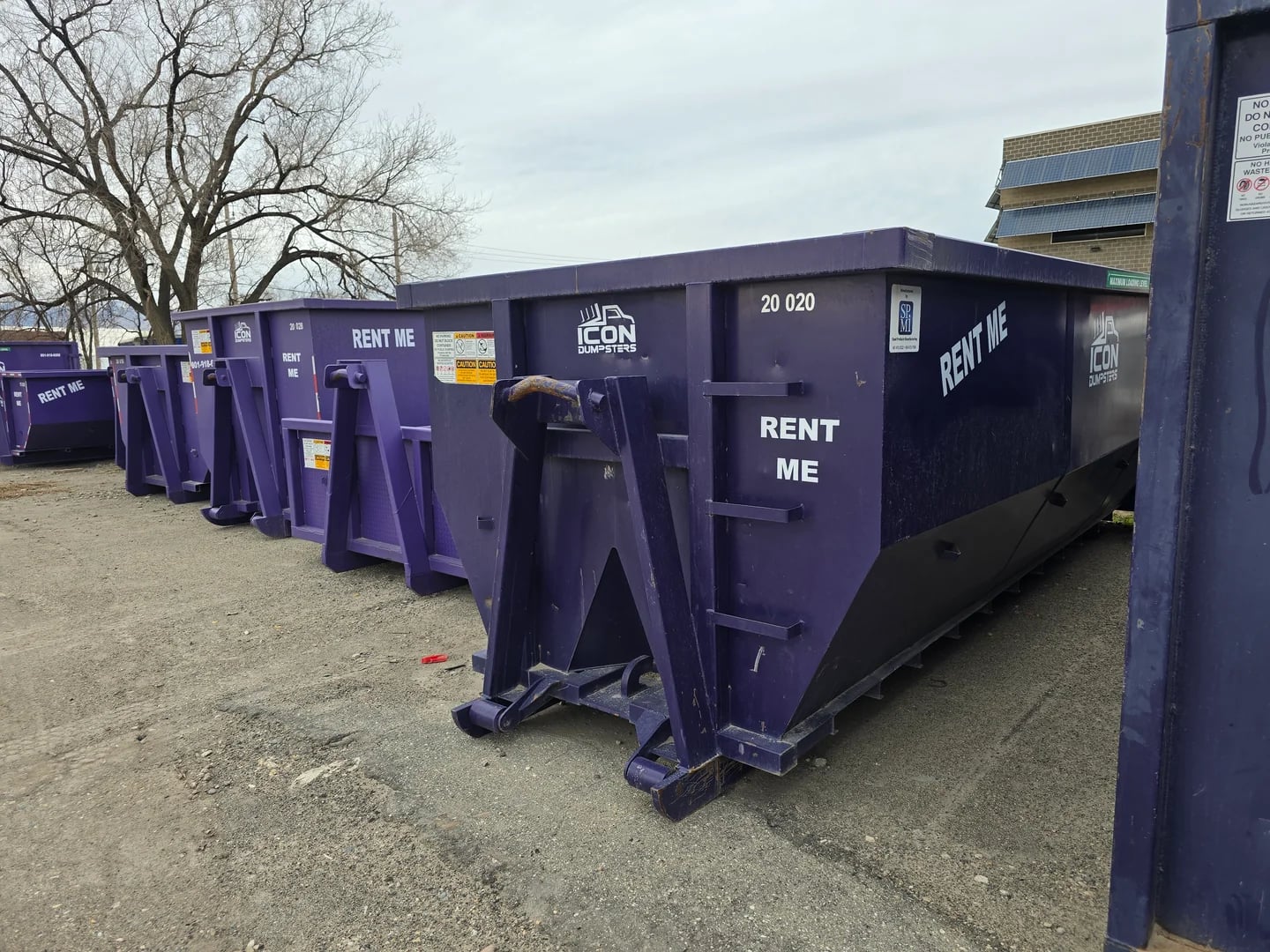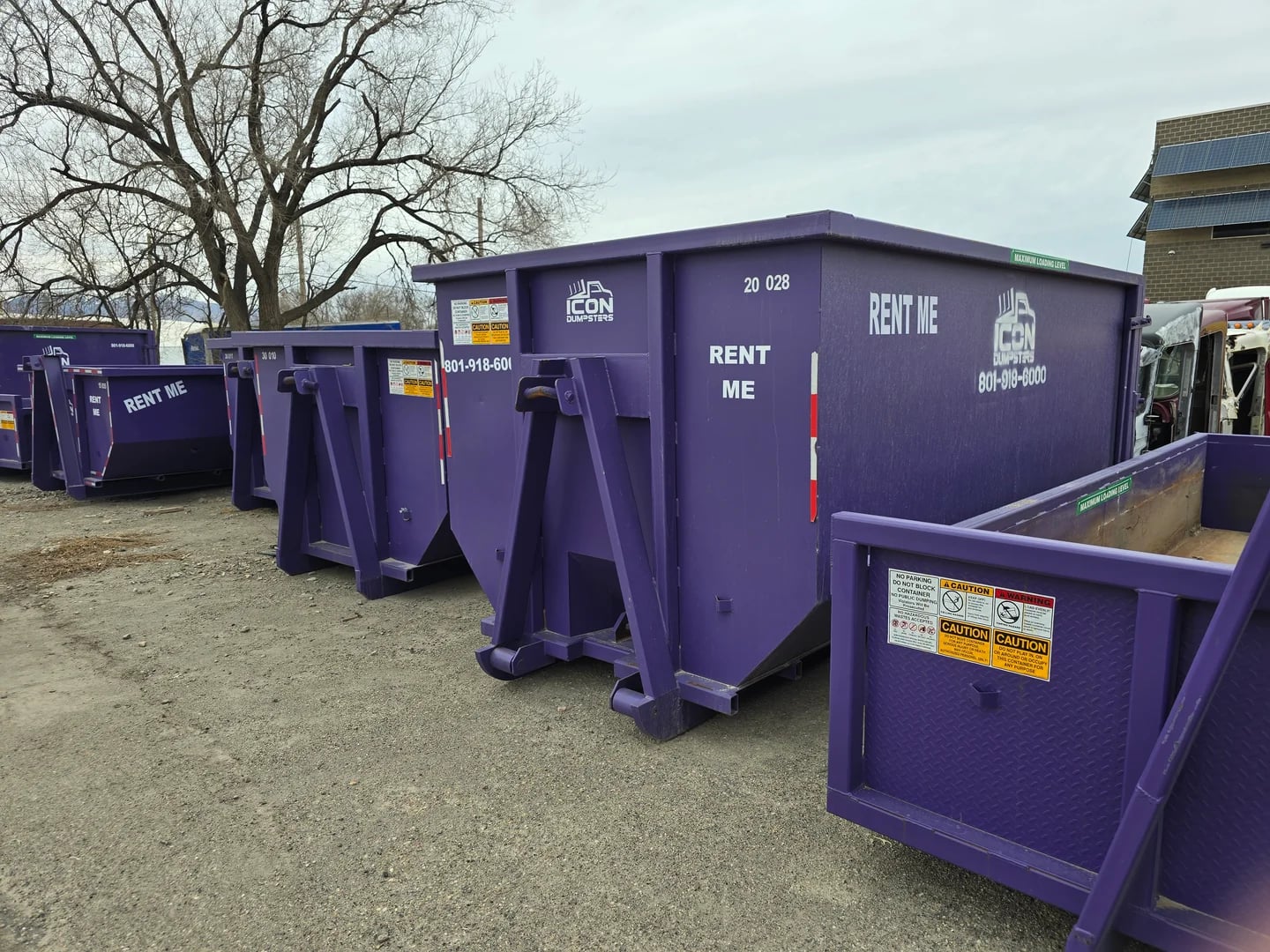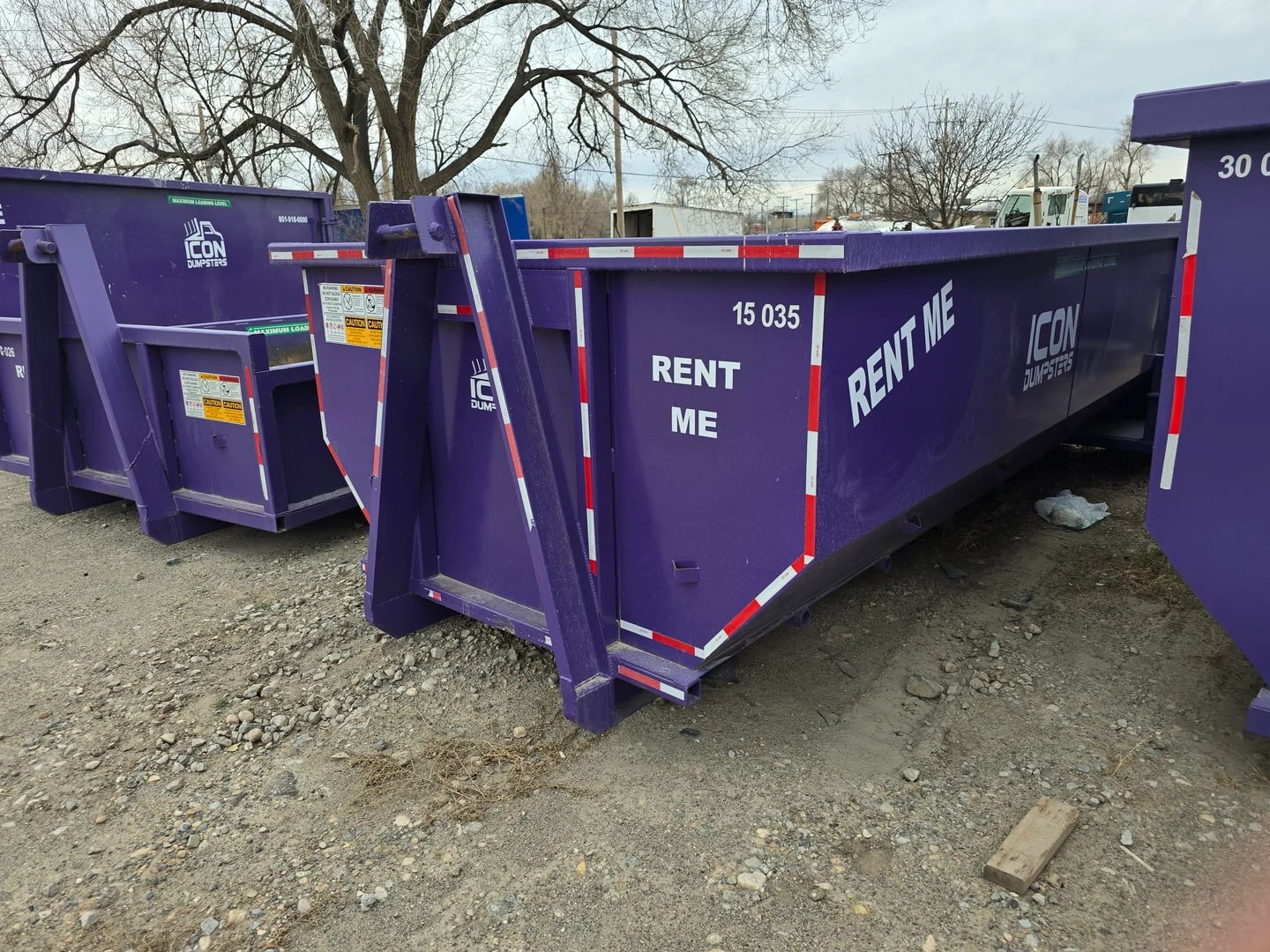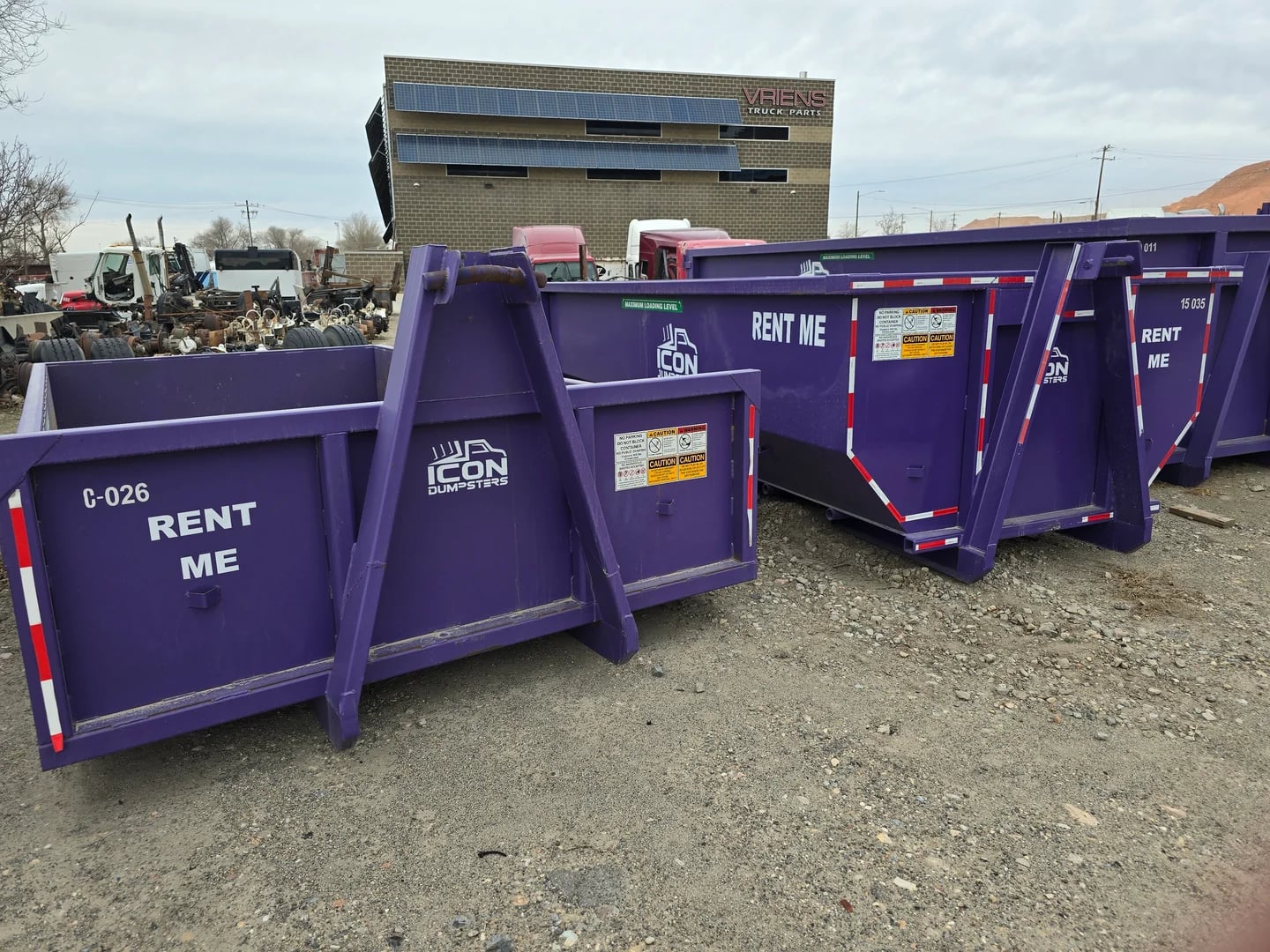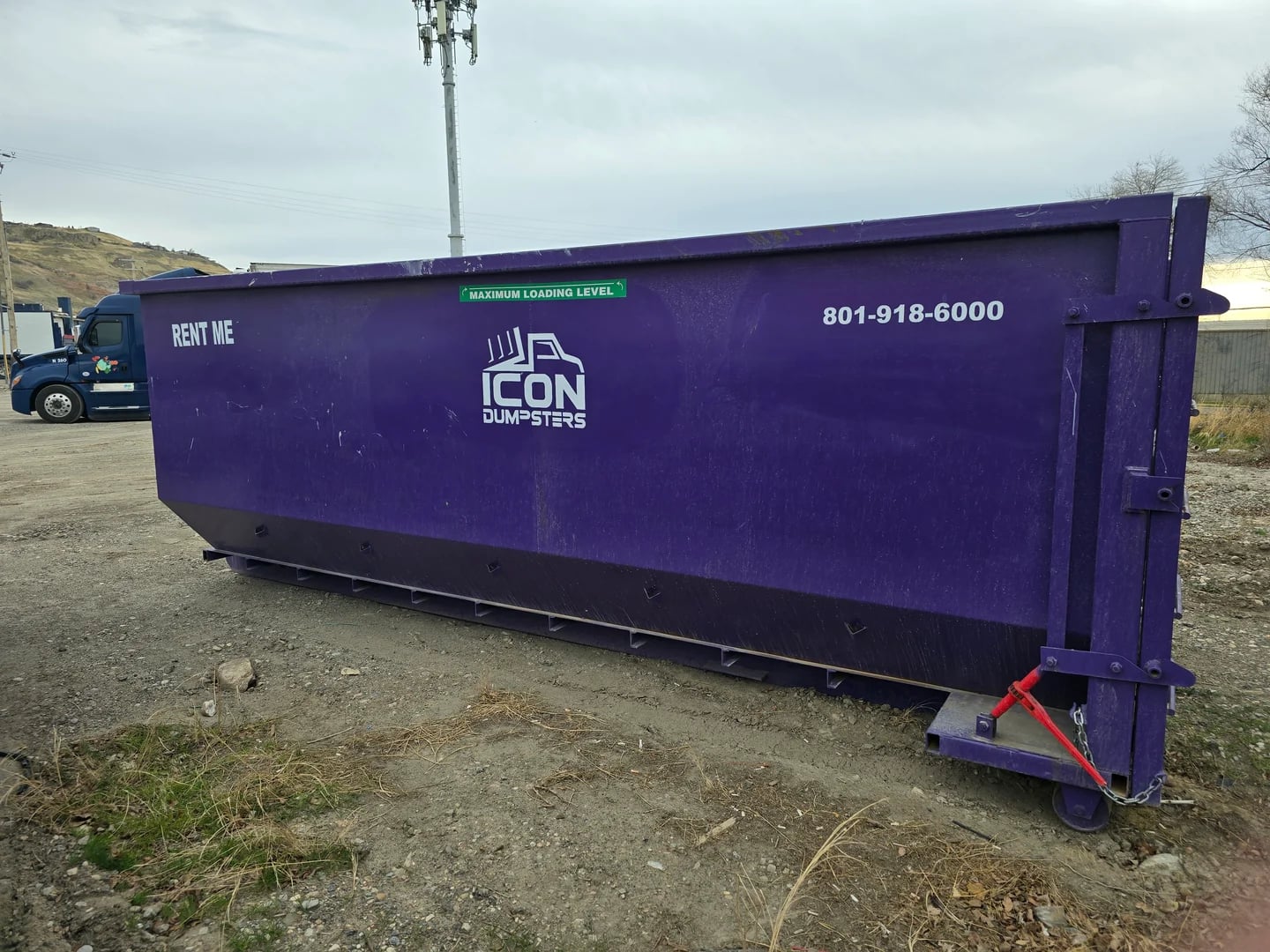
Looking for guides construction project planning guide? This page covers the essentials right away.
Construction Project Planning Guide: Dumpster Rental for Contractors
Real-world advice from someone who's worked with hundreds of contractors. Here's how to plan dumpster rentals that keep your projects on schedule and on budget.
I've been working with contractors across Utah for over a decade, and I've seen the same mistakes over and over. The contractor who orders a dumpster too small and has to stop work to get a second one. The project manager who forgets about permits and has to delay delivery. The crew that loads the dumpster wrong and ends up paying hundreds in weight overage fees.
Here's the thing: dumpster rental shouldn't be complicated, but it does require some planning. And when you're juggling timelines, budgets, and crews, it's easy to let the dumpster planning slide until the last minute. That's when things go wrong.
This guide is written specifically for contractors and project managers. I'm giving you the practical, real-world advice that'll help you avoid the common pitfalls and keep your projects running smoothly. Whether you're doing a small renovation or a major construction project, this guide will help you plan your dumpster rental the right way.
Choosing the Right Dumpster Size for Construction Projects
This is where most contractors mess up. They either go too small (which costs more in the long run) or way too big (which wastes money upfront). Let me break down what actually works for different types of construction projects.
Small Construction Projects (15-Yard Dumpster)
A 15-yard dumpster works for small construction projects, but honestly, most contractors skip this size. It's just not big enough for most construction waste. I've seen contractors try to use 15-yard dumpsters for bathroom remodels and end up needing a second dumpster halfway through.
When a 15-yard actually makes sense: small deck projects, minor room renovations, small additions. If you're doing any kind of demolition or removing cabinets, countertops, or flooring, you're probably going to need at least a 20-yard.
My advice? Unless you're absolutely certain your project is small, go with a 20-yard. The extra cost is minimal, and it's way cheaper than needing a second dumpster.
Medium Construction Projects (20-Yard Dumpster)
This is the sweet spot for most construction projects. A 20-yard dumpster handles kitchen remodels, bathroom renovations, room additions, and most interior construction work. It's what I recommend to probably 70% of the contractors I work with.
The weight limit on a 20-yard is usually 3-4 tons, which is important. If you're doing roofing work with a lot of shingles, or if you've got concrete and masonry, you might hit that weight limit before you fill it up. That's when you need to talk to your rental company about weight overage fees upfront.
Real-world example: I had a contractor doing a kitchen remodel last year. They went with a 20-yard dumpster, which was perfect. But they also had to remove a concrete patio, and that pushed them over the weight limit. We talked about it upfront, so they knew to expect the extra charges. No surprises.
Large Construction Projects (30-Yard Dumpster)
For major construction projects, whole-home renovations, or any kind of demolition work, you need a 30-yard dumpster. This thing holds 6-8 pickup truck loads, and it's what you need when you're generating serious waste.
I had a contractor last year who was doing a complete home renovation—down to the studs. They thought a 20-yard would be enough. After the first week, they called me asking if we could swap it out for a 30-yard. The problem? That swap cost them almost as much as just renting the 30-yard from the start.
The lesson here? If you're doing any kind of demolition, or if you're renovating more than a few rooms, just go with the 30-yard. The extra cost upfront is way cheaper than needing a second dumpster later.
Scheduling Dumpster Delivery for Construction Projects
Timing is everything in construction, and dumpster delivery is no exception. I've seen projects delayed because the dumpster wasn't there when the crew needed it. I've also seen dumpsters sitting empty for days because they were delivered too early.
When to Schedule Delivery
Here's my rule of thumb: schedule dumpster delivery 3-5 days before you actually need it. That gives you a buffer for permit processing, weather delays, or scheduling conflicts. Most companies can do same-day or next-day delivery if you're in a pinch, but it'll cost extra.
If you're doing a multi-phase project, think about when you'll actually generate the most waste. For a kitchen remodel, you might not need the dumpster until demo day. For a whole-home renovation, you might need it from day one. Plan accordingly.
Multiple Dumpsters or Swaps
For longer projects, you have a few options:
- Single long-term rental: Keep one dumpster for the entire project. Works if you have space and can manage waste volume.
- Multiple dumpsters: Have two dumpsters on-site at once. Useful for large projects with high waste generation.
- Scheduled swaps: Swap out full dumpsters for empty ones. Good for projects with predictable waste phases.
Talk to your rental company about what makes sense for your project. They can help you figure out the most cost-effective approach.
Site Access Considerations
Before you schedule delivery, make sure you've thought about site access. The delivery truck needs:
- At least 60 feet of overhead clearance (watch out for power lines and tree branches)
- Enough space to maneuver (delivery trucks are big)
- A level surface for placement (driveway, street, or prepared ground)
- Clear access (no parked cars, construction equipment, or debris blocking the way)
I've had to turn around and come back later because the site wasn't ready. That's a wasted trip for me and a delayed project for you. Make sure your site is accessible before scheduling delivery.
Permits for Construction Projects
Most Utah cities require permits for dumpsters placed on public property or right-of-way. For construction projects, this is almost always the case. Here's what you need to know.
When You Need a Permit
If you're placing the dumpster on the street, sidewalk, or any public right-of-way, you need a permit. Some cities also require permits for private property placement if it's blocking access or creating a hazard.
The good news? Most construction projects already have building permits, and the dumpster permit is usually a simple add-on. The bad news? It still takes 1-3 business days to process, so plan ahead.
How to Get Permits
Call your city's building department 3-5 days before you need the dumpster. Have this information ready:
- Project address
- Dumpster placement location (exact spot)
- Rental duration
- Dumpster size
- Your contact information
Most cities let you apply online, in person, or by mail. The cost is usually $25-$50. Once you get the permit, keep it visible on or near the dumpster. Code enforcement does check.
Pro Tip: Coordinate with Building Permits
If you're already getting building permits for your construction project, ask about dumpster permits at the same time. Some cities can process them together, which saves time. Others require separate applications, but at least you're already at the building department.
Construction Waste Management Best Practices
How you load the dumpster matters. Load it wrong, and you'll pay extra in weight fees. Load it right, and you'll maximize space and minimize costs. Here's what I've learned from working with hundreds of contractors.
Loading Strategies
- Break down large items: Don't just throw whole cabinets or countertops in. Break them down first. You'll fit way more in the dumpster.
- Fill gaps: Use smaller debris to fill gaps between larger items. Don't leave empty space.
- Distribute weight evenly: Heavy materials like concrete should be spread out, not all in one corner.
- Load heavy items first: Put the heaviest materials on the bottom. Lighter materials go on top.
I've seen contractors fill a dumpster to the top but only use half the weight limit. I've also seen them hit the weight limit when the dumpster was only half full. The difference? How they loaded it.
Material Separation
Some materials can be recycled or disposed of separately, which can save you dumpster space and money:
- Metal: Scrap metal can often be recycled for free or even sold. Don't fill your dumpster with it.
- Concrete: Some disposal facilities accept concrete separately at lower rates. Check with your rental company.
- Wood: Untreated wood can sometimes be recycled or reused. Consider separating it.
- Cardboard: Can be recycled separately. Don't waste dumpster space on it.
Prohibited Materials
These materials can't go in standard dumpsters:
- Hazardous waste (paint, chemicals, batteries)
- Electronics (TVs, computers, appliances with refrigerants)
- Medical waste
- Asbestos (requires special permits and disposal)
- Tires
- Liquids
If you're dealing with any of these materials, talk to your rental company about proper disposal options. Violations can result in $50-$1,000 fines per incident.
Cost Optimization for Contractors
As a contractor, you're always looking for ways to control costs. Here are some strategies I've seen work for contractors who rent dumpsters regularly.
Volume Discounts
If you're doing multiple projects or have ongoing work, ask about volume discounts. Most rental companies offer better rates for contractors who rent regularly. It never hurts to ask.
Right-Sizing
The biggest cost mistake I see? Contractors ordering dumpsters that are too small and needing a second one. That second dumpster costs almost as much as the first, plus you're paying for two deliveries and two pickups.
When in doubt, size up. The extra cost for a larger dumpster is usually minimal compared to the cost of needing a second one.
Weight Management
Weight overage fees are $55 per ton. If you're dealing with heavy materials like concrete, dirt, or roofing shingles, you might hit the weight limit before you fill the dumpster.
Solutions: Use a larger dumpster (which has a higher weight limit), separate heavy materials for special disposal, or plan for multiple pickups. Talk to your rental company about what makes sense for your project.
Timing
Don't keep the dumpster longer than you need it. Most rentals include 7-14 days. If you need it longer, you'll pay extension fees ($5-$15 per day). Plan your project timeline accordingly, and schedule pickup as soon as you're done loading.
Ready to Plan Your Construction Project?
I know construction projects are complex, and dumpster rental is just one piece of the puzzle. But getting it right can save you time, money, and headaches.
If you're planning a construction project in Utah, we'd love to help. We work with contractors regularly, and we understand the unique challenges you face. We'll help you choose the right size, navigate permits, and optimize costs.
Contractor Services
We offer special rates and services for contractors. Ask about our volume discounts and flexible scheduling.
Call (801) 918-6000Get Free QuoteExplore More With Icon Dumpsters
Popular Services
Helpful Guides
Top Areas
Commercial Services
Residential Services
Utilities & Programs
Quick Overview of guides construction project planning guide
What to expect
- Clear pricing and delivery windows tailored to your area.
- Right-size container guidance so you avoid overage fees.
- Local support from Icon Dumpsters for fast questions.
How to get started
- Confirm your project scope and pickup timeline.
- Choose a dumpster size based on debris volume.
- Schedule delivery and load within the fill line.
Recent Dumpster Projects
Real-world deliveries, cleanouts, and job sites across Utah.